

Laravel: A Powerful PHP Framework for Building Web Applications
Discover the power of Laravel, a robust PHP framework that simplifies web development. Learn about its core features, best practices, and how to build stunning web applications with ease.
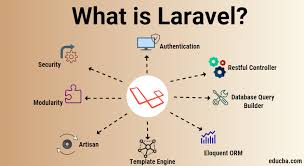
Laravel, a popular PHP framework, has revolutionized web development by providing a structured and elegant approach to building web applications. Its powerful features and elegant syntax make it a favorite among developers worldwide.
Core Features of Laravel
- Eloquent ORM: A powerful object-relational mapper (ORM) that simplifies database interactions.
- Blade Templating Engine: A simple yet powerful templating engine for creating beautiful views.
- Routing: A flexible routing system for defining how URLs map to controller actions.
- Controllers: The backbone of Laravel applications, handling incoming requests and returning responses.
- Middleware: A mechanism for intercepting HTTP requests and performing actions before or after a request is handled.
- Queues: A system for processing time-consuming tasks asynchronously.
- Caching: Improve application performance by storing frequently accessed data.
- Authentication and Authorization: Built-in features for user authentication and authorization.
- Testing: A robust testing framework for writing unit, feature, and integration tests.
Why Choose Laravel?
- Developer-Friendly: Laravel's elegant syntax and clear documentation make it easy to learn and use.
- Rapid Development: Built-in features and tools accelerate development time.
- Security: Laravel provides robust security features to protect your applications from vulnerabilities.
- Scalability: Laravel can handle high traffic and complex applications.
- Community and Support: A large and active community provides extensive support and resources.
Getting Started with Laravel
- Installation: Install Laravel using Composer:
Bash
composer create-project laravel/laravel my-appUse code with caution.
- Basic Structure: Understand the directory structure of a Laravel application.
- Routing: Define routes to handle incoming requests.
- Controllers: Create controllers to handle logic and return views.
- Views: Use Blade templates to create dynamic views.
- Models: Interact with the database using Eloquent ORM.
- Migrations: Manage database schema changes.
- Testing: Write tests to ensure code quality and reliability.
Conclusion Laravel offers a comprehensive set of tools and features that make web development efficient and enjoyable. By understanding its core concepts and best practices, you can build robust, scalable, and secure web applications.

.jpeg)