

API Integration Explained: Key Use Cases for Developers and Business Applications
Discover how API integration enables seamless connectivity between applications, automating workflows, synchronizing data, and creating unified digital experiences for both developers and business users.
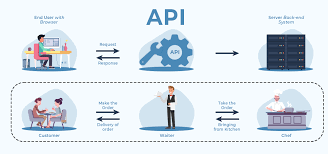
The Fundamentals of API Integration
API integration refers to the process of connecting different software applications through their Application Programming Interfaces to enable them to communicate and share data automatically. APIs serve as intermediaries that define how software components should interact, allowing disparate systems—whether legacy platforms, cloud services, or mobile applications—to exchange information without requiring deep understanding of each other's internal architecture. This connectivity transforms isolated applications into coordinated ecosystems where data flows securely and operations trigger automated responses across systems.
Developer-Centric Use Cases
For developers, API integration accelerates development cycles by allowing them to leverage existing functionality rather than building everything from scratch. Payment gateways, mapping services, authentication systems, and communication platforms can be integrated via APIs, saving months of development time. Modern development approaches increasingly rely on microservices architectures where applications are composed of loosely coupled services connected through APIs. This enables teams to develop, deploy, and scale components independently while maintaining system cohesion. API integration also facilitates continuous integration and deployment pipelines by connecting version control, testing, and deployment systems.
Business Automation and Efficiency
API integration delivers transformative business value by automating workflows that previously required manual intervention. Sales teams benefit from CRM systems automatically synchronized with marketing platforms and customer support tools. Inventory management systems can connect with supplier portals, e-commerce platforms, and logistics services to maintain real-time stock levels across sales channels. Financial departments automate data flow between accounting software, banking systems, and expense management tools, reducing errors and accelerating reporting cycles. These automated connections eliminate data silos and ensure decision-makers access unified, current information.
Enhanced Customer Experiences
Modern customer expectations demand seamless experiences across multiple touchpoints, and API integration makes this possible. When customers update their profile on a mobile app, APIs ensure those changes reflect immediately on the website and in customer service systems. E-commerce platforms integrate with shipping carriers to provide real-time tracking, while hospitality businesses connect reservation systems with payment processors and customer communication tools. This creates cohesive journeys where customers don't need to repeat information or experience discontinuities between different interaction channels with a business.
Innovation Through Ecosystem Expansion
APIs enable businesses to extend their functionality by integrating with specialized external services that would be impractical to develop internally. A retail application might integrate with augmented reality platforms for virtual try-ons, while a healthcare provider could connect with telehealth services and diagnostic tools. This ecosystem approach allows companies to focus resources on their core competencies while offering customers comprehensive solutions through strategic partnerships. Platform businesses particularly leverage API integration to create marketplaces where third-party developers extend core functionality, increasing value for all users.
Conclusion: API integration has evolved from a technical convenience to a strategic business imperative in the interconnected digital landscape. By enabling seamless communication between applications, APIs power automated workflows, unified customer experiences, and innovative service ecosystems. For developers, they provide building blocks for rapid, robust application development; for businesses, they create operational efficiencies and competitive advantages through ecosystem integration. As digital transformation accelerates, strategic API integration will increasingly distinguish agile, customer-centric organizations from those constrained by technological silos.