
Comparing the best PHP frameworks of 2024
The Most Popular PHP Frameworks to Use When you think of web development, aside from HTML, CSS, and JavaScript, the PHP language is one of the names that comes to mind. Contrary to popular belief, PHP is not dead. It’s still widely used by sites, including big names such as Facebook and Wikipedia. According to W3Techs, PHP is used by around 79% of all websites. It’s eight times more popular than ASP.NET, its nearest rival in server-side programming languages. PHP programmers will often turn to a PHP framework to compose their code. Let’s find out what PHP frameworks are, why they are used, and examine some of the most popular ones.
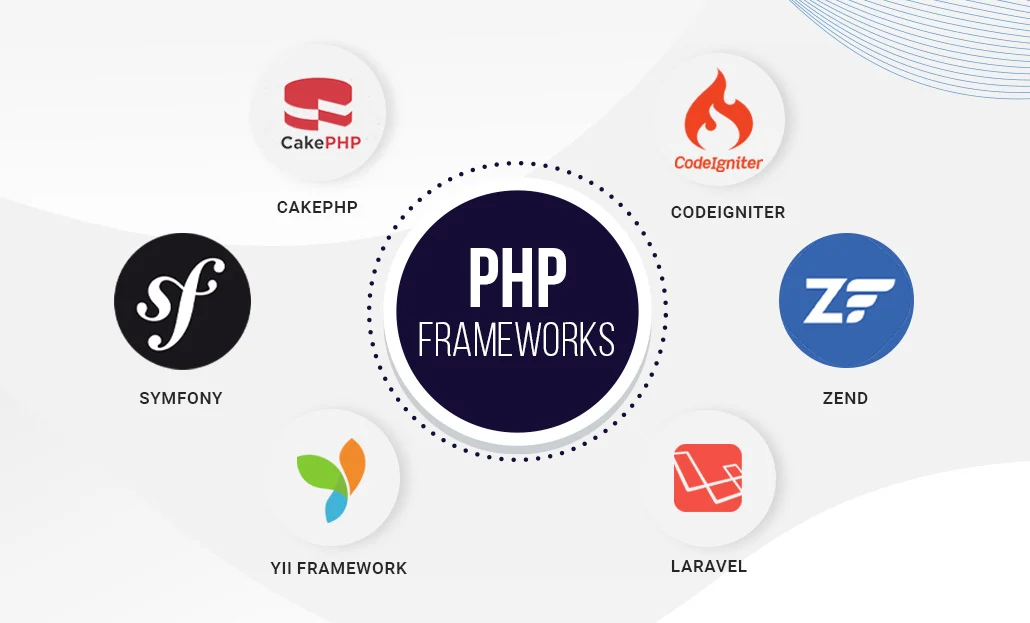
What Is a PHP Framework?
A PHP framework is a platform to create PHP web applications. PHP frameworks provide code libraries for commonly used functions, cutting down on the amount of original code you need to write.
Why Use a PHP Framework?
There are many good reasons for using PHP frameworks as opposed to coding from scratch.
1. Faster Development
Because PHP frameworks have built-in libraries and tools, the time required for development is less.or example, the CakePHP framework has the Bake command-line tool which can quickly create any skeleton code that you need in your application.
Several popular PHP frameworks have the PHPUnit library integrated for easy testing.
2. Less Code to Write
Using functions that are built-in to the framework means that you don’t need to write so much original code.
3. Libraries for Common Tasks
Many tasks that developers will need to do within web apps are common ones. Examples are form validation, data sanitization, and CRUD operations (Create, Read, Update, and Delete). Rather than having to write your own functions for these tasks, you can simply use the ones that are part of the framework.
4. Follow Good Coding Practices
PHP frameworks usually follow coding best practices. For example, they divide code neatly into a number of directories according to function.
5. More Secure Than Writing Your Own Apps
There are many PHP security threats including cross-site scripting, SQL injection attacks, and cross-site request forgery. Unless you take the right steps to secure your code, your PHP web apps will be vulnerable.
6. Better Teamwork
Projects with multiple developers can go wrong if there isn’t clarity on:
- Documentation
- Design decisions
- Code standards
Using a framework sets clear ground rules for your project. Even if another developer isn’t familiar with the framework, they should be able to quickly learn the ropes and work collaboratively.
7. Easier to Maintain
PHP Frameworks encourage refactoring of code and promote DRY development (Don’t Repeat Yourself). The resulting leaner codebase needs less maintenance.