

Custom CRM Development Services for Modern Businesses
Discover CRM development services, their benefits, features, and process. Learn how custom CRM solutions help businesses manage customers and boost growth.
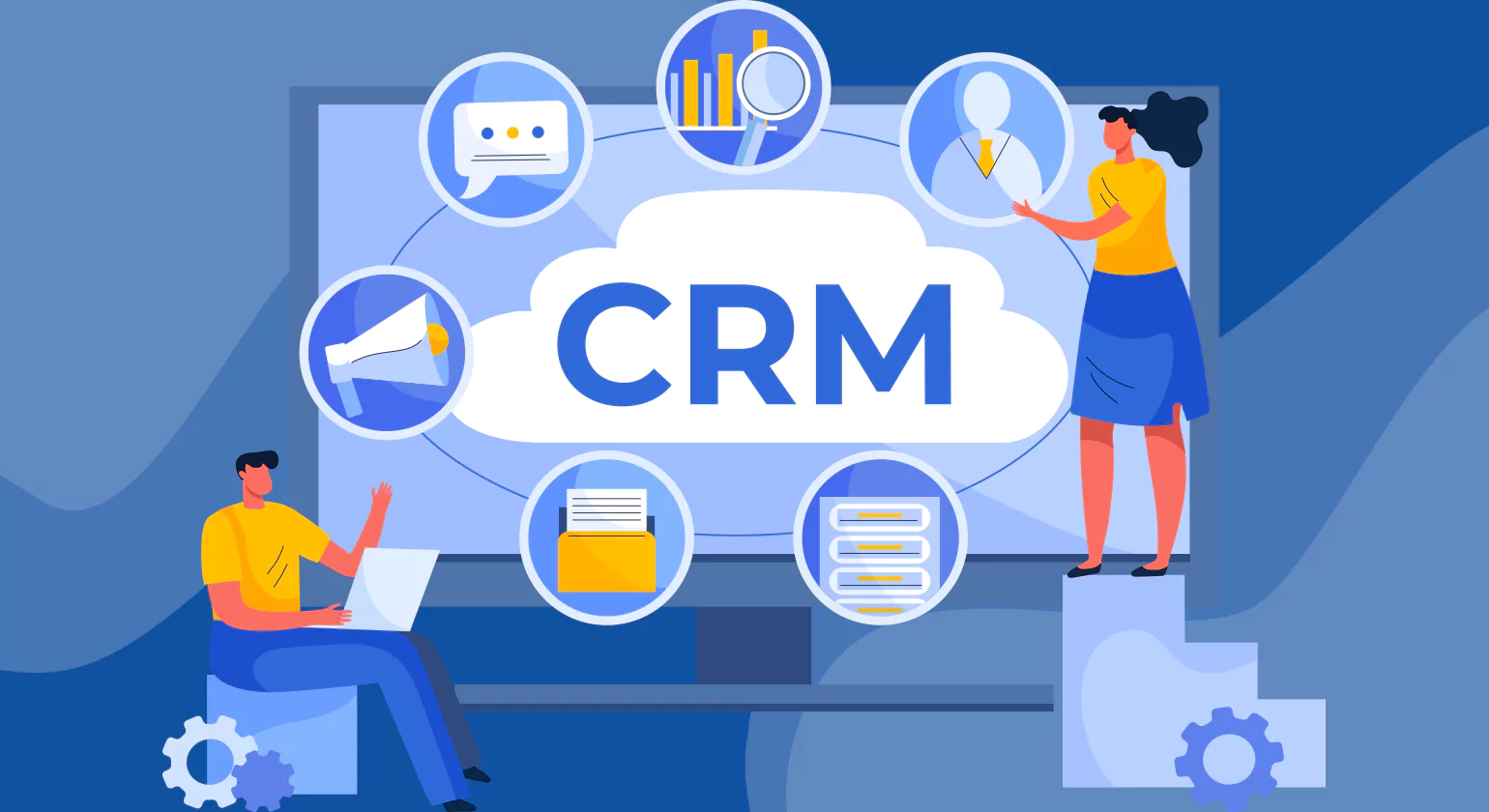
CRM (Customer Relationship Management) development services focus on building customized software solutions that help businesses manage customer interactions, streamline processes, and improve overall productivity.
A well-developed CRM system enables companies to track leads, manage sales pipelines, automate workflows, and deliver better customer experiences.
? What is CRM Software?
CRM software is a tool designed to store, manage, and analyze customer data and interactions throughout the customer lifecycle.
It helps businesses:
- Organize customer information
- Track communication history
- Manage sales and leads
- Improve customer service
? Why CRM Development Services Are Important
✔️ Centralized Data Management
All customer data is stored in one place for easy access.
✔️ Improved Customer Relationships
Better tracking leads to personalized communication.
✔️ Increased Sales Efficiency
Automated pipelines help convert leads faster.
✔️ Business Automation
Reduces manual tasks and increases productivity.
✔️ Data-Driven Decisions
Analytics and reports support smarter business strategies.
? Types of CRM Systems
? Operational CRM
Focuses on automation of sales, marketing, and customer service.
? Analytical CRM
Uses data analysis to improve business decisions.
? Collaborative CRM
Enhances communication across teams and departments.
? CRM Development Process
1. Requirement Analysis
Understand business goals and user needs.
2. Planning & Design
Create system architecture and UI/UX design.
3. Development
Build features such as:
- Contact management
- Sales tracking
- Workflow automation
4. Integration
Connect CRM with tools like email, payment systems, and marketing platforms.
5. Testing
Ensure performance, security, and usability.
6. Deployment
Launch the CRM system.
7. Maintenance & Support
Regular updates and improvements.
? Key Features of CRM Development
- Contact & Lead Management
- Sales Pipeline Tracking
- Task & Workflow Automation
- Reporting & Analytics
- Email Integration
- Mobile Access
- Role-Based Access Control
? Tools & Technologies Used
- Frontend: React, Angular
- Backend: Node.js, PHP, Python
- Database: MySQL, MongoDB
- Cloud: AWS, Google Cloud
- APIs: RESTful services
? Custom CRM vs Ready-Made CRM
| Feature | Custom CRM | Ready-Made CRM |
|---|---|---|
| Flexibility | High | Limited |
| Cost | Higher initially | Subscription-based |
| Scalability | High | Moderate |
| Customization | Fully customizable | Limited |
? Benefits of Custom CRM Development
- Tailored to business needs
- Scalable as your business grows
- Better integration with existing tools
- Enhanced data security
- Competitive advantage
? Challenges in CRM Development
- High initial cost
- Complex implementation
- User adoption issues
- Ongoing maintenance
? Use Cases of CRM Development
- Sales management systems
- Customer support platforms
- Marketing automation tools
- Lead generation systems
- Enterprise business solutions
? Future Trends in CRM Development
? AI-Powered CRM
Smart insights and automation using AI.
? Advanced Analytics
Better data visualization and forecasting.
? Mobile CRM
Access CRM systems from anywhere.
? Integration Ecosystems
Seamless connection with multiple business tools.
? Conclusion
CRM development services play a crucial role in helping businesses manage customer relationships effectively and drive growth. A well-designed CRM system not only improves efficiency but also enhances customer satisfaction and retention.
While ready-made CRM solutions are suitable for small businesses, custom CRM development provides flexibility, scalability, and a competitive edge for growing enterprises.
Investing in CRM development is a strategic decision that can transform how your business interacts with customers and manages operations.

-Photoroom.png)