

Data Integration Services: The Backbone of Modern Business Intelligence
Boost your business efficiency with expert Data Integration Services. Learn how seamless data integration improves decision-making, automation, and scalability.
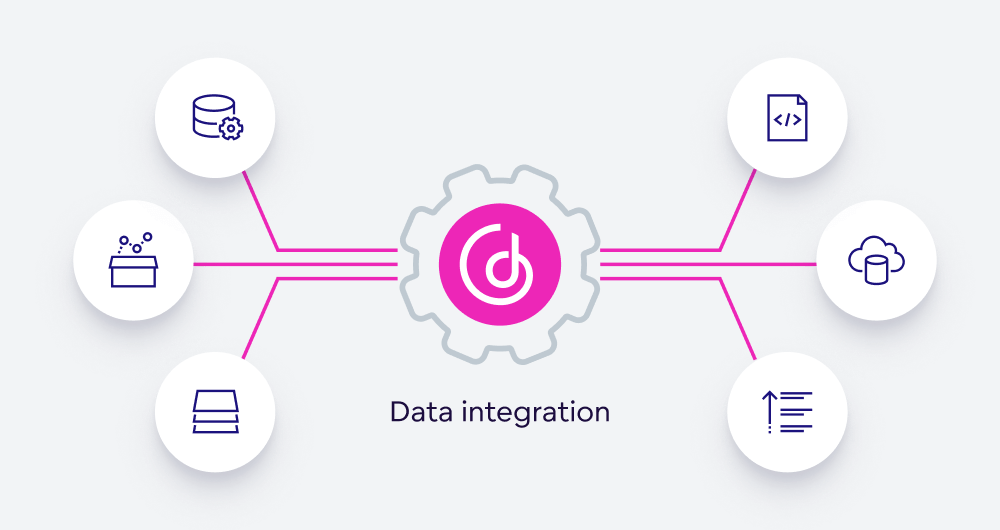
In today’s data-driven world, businesses generate massive volumes of data from multiple sources such as CRM systems, ERP platforms, cloud applications, and third-party tools. However, managing this scattered data efficiently is a major challenge. This is where Data Integration Services come into play.
Data integration is the process of combining data from different sources into a unified, consistent, and accessible format. It helps organizations streamline operations, improve analytics, and make smarter business decisions.
? What Are Data Integration Services?
Data Integration Services involve collecting, transforming, and consolidating data from various systems into a centralized repository such as a data warehouse or data lake.
These services ensure:
- Seamless data flow between systems
- Real-time or batch data synchronization
- Improved data accuracy and consistency
- Better accessibility for analytics and reporting
? Types of Data Integration
? ETL (Extract, Transform, Load)
Extract data from sources, transform it into the required format, and load it into a destination system.
? ELT (Extract, Load, Transform)
Data is first loaded into a system and then transformed, often used in cloud environments.
? Real-Time Data Integration
Enables instant data updates across systems, ideal for time-sensitive applications.
? API-Based Integration
Uses APIs to connect different applications and enable smooth data exchange.
? Cloud Data Integration
Integrates data across cloud platforms and hybrid environments.
? Key Benefits of Data Integration Services
✅ Improved Decision-Making
Centralized data provides accurate insights, enabling faster and smarter decisions.
✅ Enhanced Productivity
Automation reduces manual data handling, saving time and effort.
✅ Better Data Quality
Eliminates duplicates and inconsistencies, ensuring reliable information.
✅ Scalability
Easily handle growing data volumes as your business expands.
✅ Cost Efficiency
Reduces operational costs by streamlining processes and minimizing errors.
? Common Use Cases
- Integrating CRM and ERP systems
- Data migration during system upgrades
- Real-time analytics dashboards
- Customer data unification
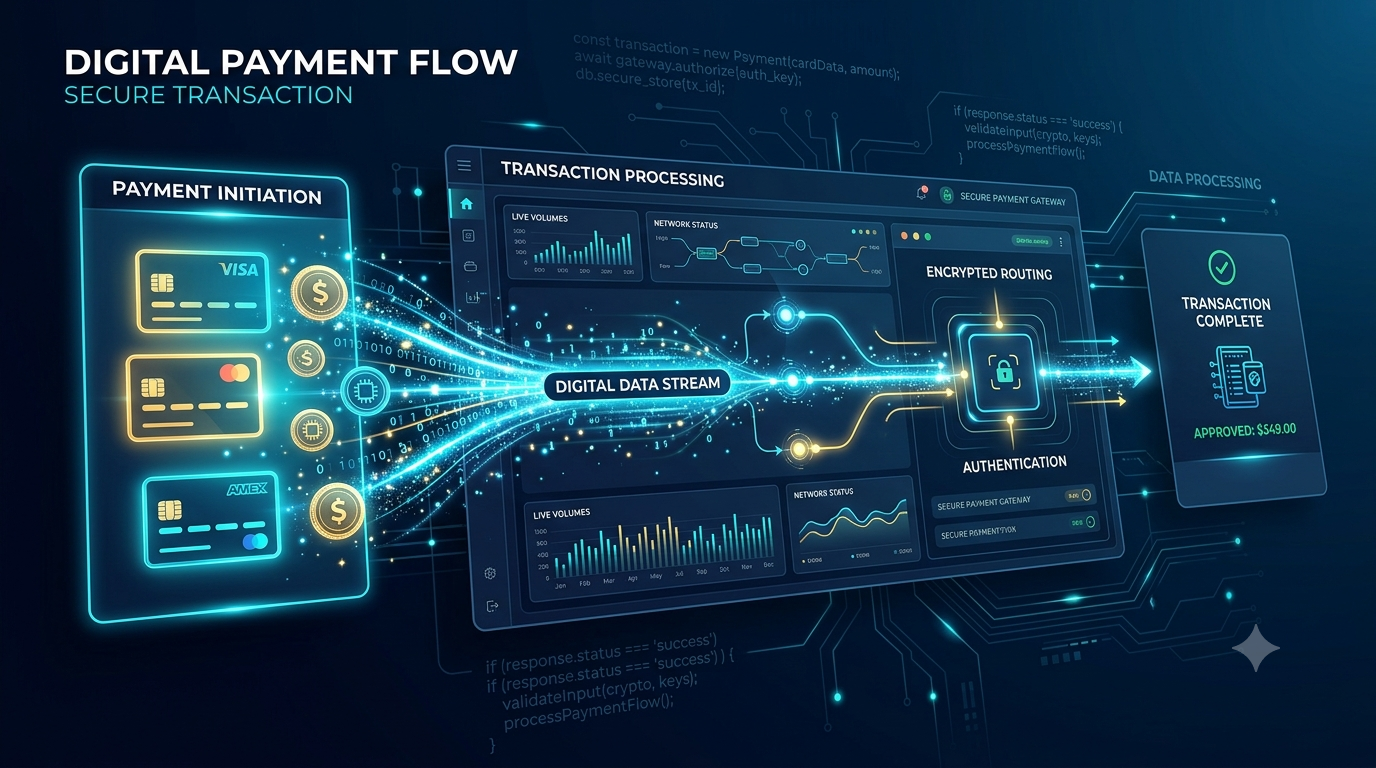
- E-commerce and payment system integration
? Key Technologies Used
- ETL tools (Talend, Informatica, Apache Nifi)
- Cloud platforms (AWS, Azure, Google Cloud)
- Data warehouses (Snowflake, Redshift, BigQuery)
- APIs and middleware solutions
? Challenges in Data Integration
Despite its benefits, businesses may face challenges such as:
- Data silos across departments
- Complex data formats and structures
- Security and compliance issues
- High implementation costs
- Integration with legacy systems
? Best Practices for Data Integration
- Define clear business objectives
- Choose the right integration tools
- Ensure data governance and security
- Use scalable architecture
- Monitor and maintain integration processes regularly
? Future Trends in Data Integration
- AI-powered data integration
- Real-time streaming data pipelines
- Increased adoption of cloud-based solutions
- Data fabric and data mesh architectures
- Enhanced automation and self-service tools
? Conclusion
Data Integration Services are no longer optional—they are a necessity for businesses aiming to stay competitive in the digital age. By unifying data from multiple sources, organizations can unlock valuable insights, improve operational efficiency, and drive innovation.
Investing in the right data integration strategy ensures that your business is not only data-rich but also insight-driven. Whether you are a startup or an enterprise, leveraging data integration services can transform the way you operate and grow.
-Photoroom.png)