
Mastering React JS: A Comprehensive Guide for Beginners
This comprehensive guide will introduce you to React JS, a powerful JavaScript library for building user interfaces. Learn about its core concepts, components, JSX, state management, and more. Whether you're a beginner or an experienced developer, this guide will help you master React JS.
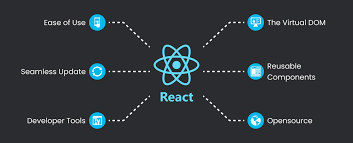
React JS has emerged as a dominant force in the world of front-end development. This open-source JavaScript library, developed by Facebook, provides a robust framework for building dynamic and interactive user interfaces. React's component-based architecture, coupled with its efficient rendering, has made it a popular choice for developers worldwide. This guide will delve into the core concepts of React JS, guiding you on your journey to mastering this powerful technology.
1. Core Concepts
- Components: Understand the fundamental building blocks of React applications. Learn how to create reusable components and manage their state.
- JSX: Explore JSX, a syntax extension to JavaScript that allows you to write HTML-like code within your JavaScript files.
- Virtual DOM: Discover how React's Virtual DOM efficiently updates the actual DOM, leading to significant performance improvements.
2. State Management
- Component State: Learn how to manage the internal state of your React components using the
useStatehook. - Props: Understand how to pass data between components using props.
- State Management Libraries: Explore popular state management libraries like Redux and Zustand to handle complex state scenarios in large applications.
3. Working with Data
- Fetching Data: Learn how to fetch data from APIs using
fetchor libraries like Axios. - Handling Data Updates: Implement efficient data updates and re-renders using React's state management techniques.
- Conditional Rendering: Learn how to conditionally render parts of your UI based on data or other factors.
4. Building User Interfaces
- Creating Lists and Collections: Learn how to render lists of data using the
mapmethod and keys. - Handling User Events: Implement event handlers for user interactions such as clicks, hovers, and form submissions.
- Building Forms: Learn how to create and manage forms in React, including handling form submissions and validation.
5. Advanced Topics
- React Router: Explore React Router, a popular library for handling navigation within your React applications.
- Testing React Components: Learn how to write unit tests and integration tests for your React components using libraries like Jest and Enzyme.
- Performance Optimization: Discover techniques for optimizing the performance of your React applications, such as memoization and code splitting.
Conclusion
React JS has revolutionized the way we build user interfaces. Its component-based architecture, combined with its efficient rendering and a thriving community, makes it a powerful and versatile tool for developers. This guide has provided a foundation for your React JS journey. By exploring these concepts and practicing regularly, you can unlock the full potential of React JS and build amazing web applications.