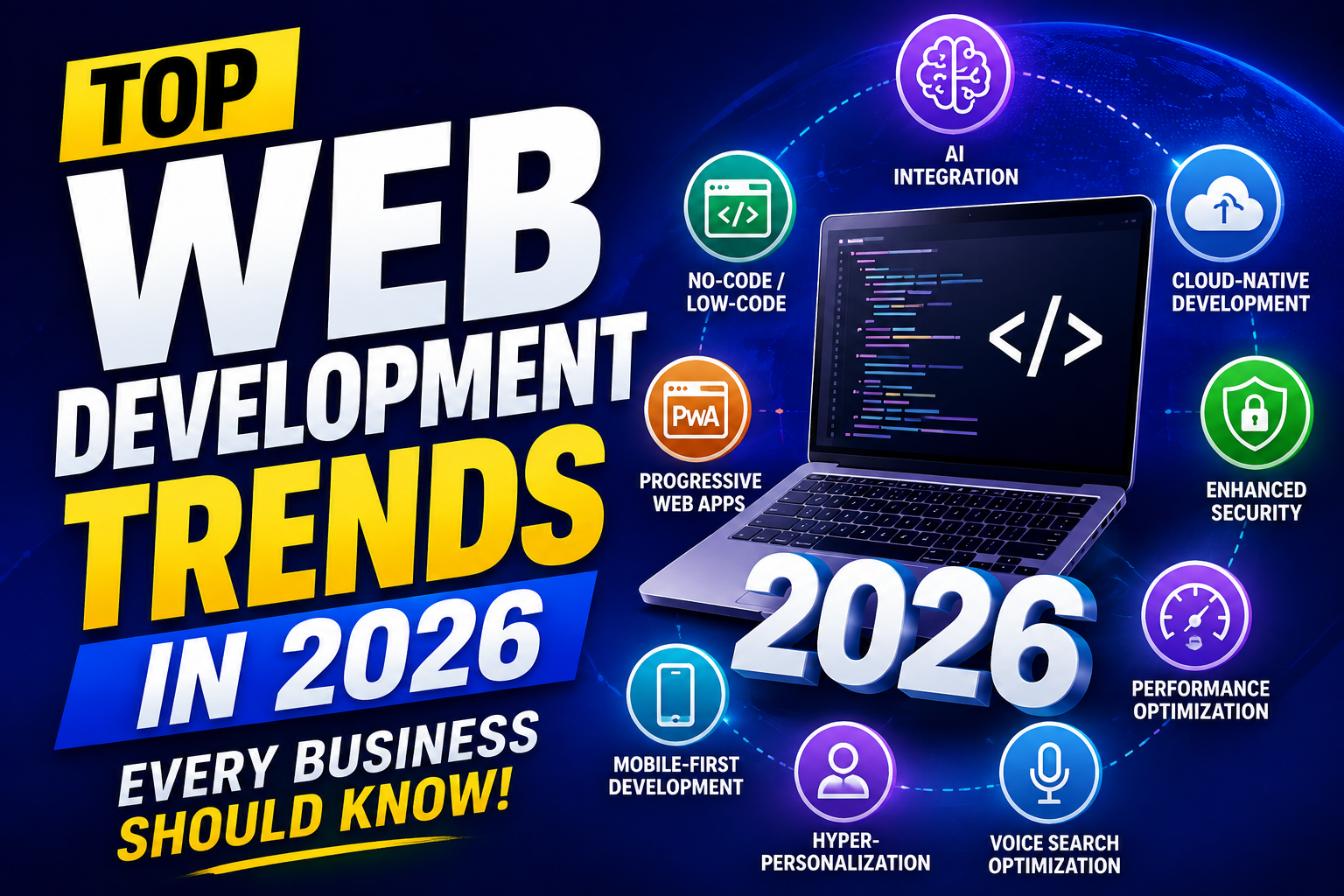

Python Programming Language: A Complete Guide for Beginners and Experts
Discover the power of Python programming, its features, applications, and why it’s widely used in web development, AI, and data science.
Python is one of the most popular and versatile programming languages in the world today. Known for its simplicity and readability, Python is widely used by beginners and experienced developers alike.
From web development to artificial intelligence, Python powers some of the most innovative technologies shaping our digital future.
? What is Python?
Python is a high-level, interpreted programming language designed to be easy to learn and use. It emphasizes code readability and allows developers to write fewer lines of code compared to other languages.
It was created by Guido van Rossum and first released in 1991.
⚙️ Key Features of Python
1. Easy to Learn and Use
Python has a simple syntax that resembles the English language, making it beginner-friendly.
2. Interpreted Language
Python executes code line by line, which makes debugging easier.
3. Versatile and Flexible
Python can be used for web development, data analysis, machine learning, automation, and more.
4. Large Standard Library
Python comes with a rich set of built-in libraries that simplify development tasks.
5. Cross-Platform Compatibility
Python works on multiple platforms such as Windows, macOS, and Linux.
?️ Popular Uses of Python
? Web Development
Frameworks like Django and Flask are widely used to build robust web applications.
? Data Science & Analytics
Python is a top choice for data analysis using libraries like Pandas, NumPy, and Matplotlib.
? Artificial Intelligence & Machine Learning
Python is heavily used in AI/ML projects with tools like TensorFlow and Scikit-learn.
⚙️ Automation & Scripting
Python helps automate repetitive tasks, saving time and effort.
? Game Development
Python is also used in game development with frameworks like Pygame.
? Benefits of Using Python
? High Productivity
Developers can build applications quickly due to Python’s simple syntax.
? Strong Community Support
Python has a large global community providing resources, tutorials, and libraries.
? Integration Capabilities
Python integrates easily with other languages and technologies.
? Scalability
Python supports both small scripts and large-scale enterprise applications.
? Open Source
Python is free to use and has a vast ecosystem of open-source tools.
? Python vs Other Languages
Compared to languages like Java and C++, Python is easier to learn and faster to develop with. However, it may be slightly slower in execution speed.
- Python: Easy and versatile
- Java: Platform-independent and robust
- C++: High performance and control
?? Who Should Learn Python?
- Beginners starting programming
- Web developers
- Data scientists
- AI/ML engineers
- Automation engineers
? Future of Python
The future of Python looks extremely promising. With increasing demand in AI, data science, and automation, Python continues to grow in popularity.
It is expected to remain a dominant programming language for years to come due to its adaptability and ease of use.
? Conclusion
Python is a powerful, flexible, and beginner-friendly programming language that has become a cornerstone of modern software development. Whether you're building websites, analyzing data, or developing AI solutions, Python provides the tools you need to succeed.
Learning Python is a smart investment for anyone looking to build a career in technology or enhance their programming skills.
.jpeg)