
Software Consultancy: Modernizing Healthcare with AI & Telemedicine Automation
Discover how expert software consultancy helps healthcare providers build compliant telemedicine apps, automate patient intake, and integrate EHR systems.
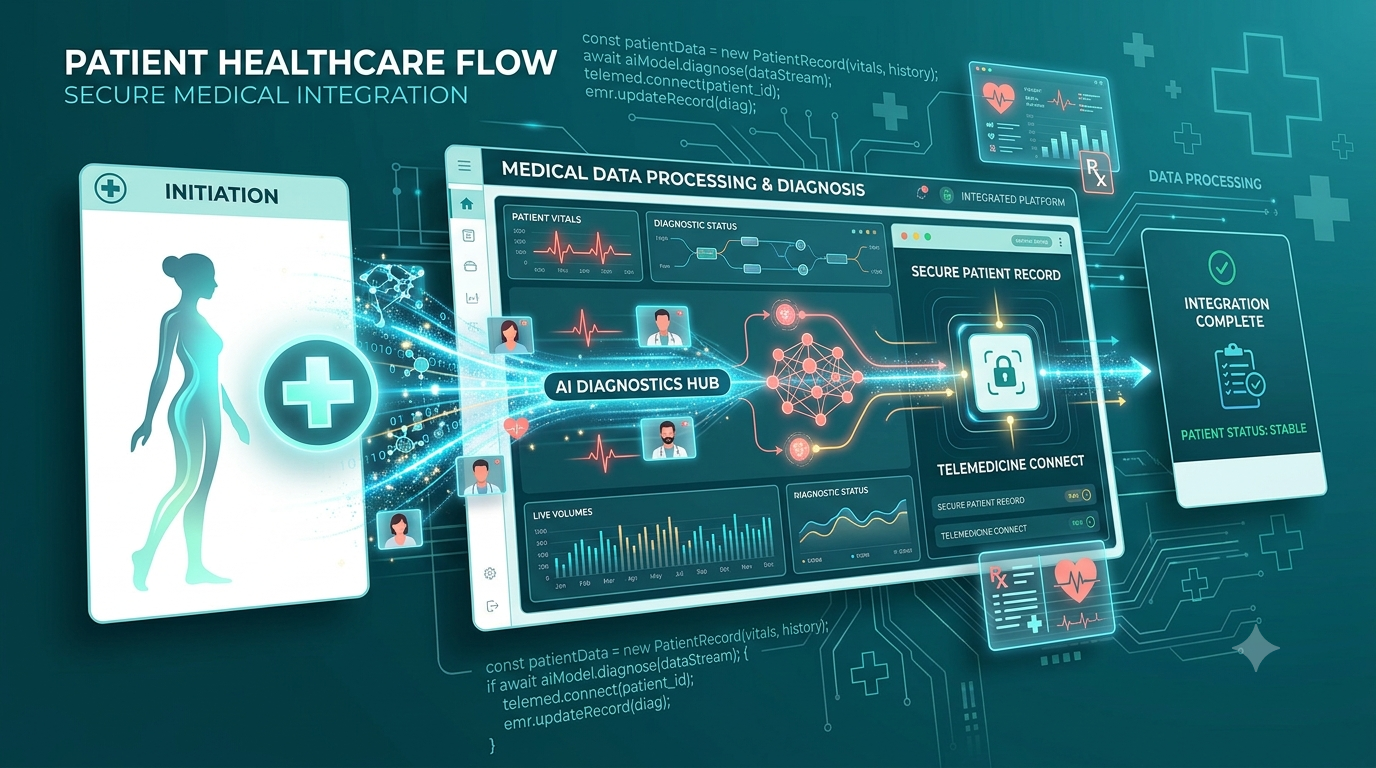
In today's healthcare landscape, patient expectations, strict regulatory demands, and remote care needs are driving rapid digital transformation. However, connecting legacy Electronic Health Records (EHR), maintaining compliance, and managing patient workflows manually can lead to inefficiencies and compromised care delivery.
In this blog, we’ll explore how strategic Software Consultancy helps healthcare providers, clinics, and HealthTech startups implement intelligent automation and secure digital platforms.
1. EHR/EMR Integration & Interoperability
Isolated medical records prevent care teams from accessing complete patient histories in real time. Software consultants design unified API integrations that connect disparate health systems securely.
Interoperability features include:
- Seamless synchronization across EHR, laboratory, and pharmacy platforms
- Adherence to global health data standards like HL7 and FHIR
- Centralized patient profiles accessible securely across departments
Unifying health data reduces administrative burden and improves medical decision-making.
2. Intelligent Patient Onboarding & Scheduling
Manual appointment booking and paper-based intake forms create long wait times and administrative bottlenecks. Intelligent automation streamlines patient registration end-to-end.
Intelligent onboarding benefits:
- Automated digital intake forms and insurance eligibility verification
- AI-powered self-scheduling tools with automated SMS/email reminders
- Reduced no-shows through smart queue management and automated follow-ups
Automating intake accelerates care delivery and elevates the overall patient experience.
3. Scalable Telemedicine & Remote Care Platforms
Providing virtual care requires high-quality, encrypted video communications integrated directly with clinical workflows and billing systems.
Key virtual care capabilities:
- HD WebRTC video consultations with encrypted chat and document sharing
- Remote Patient Monitoring (RPM) integrations with IoT medical devices
- Automated post-consultation prescription routing and digital billing
Modern telemedicine solutions allow healthcare providers to reach more patients without sacrificing care quality.
4. Healthcare AI & Predictive Diagnostics
Artificial Intelligence is transforming clinical workflows, assisting doctors with faster medical imaging analysis and predictive patient health monitoring.
AI applications in HealthTech:
- Automated medical image processing and triage support
- Predictive risk analytics for patient readmission and chronic disease tracking
- AI virtual assistants for handling routine patient inquiries and prescription refills
Integrating AI tools empowers care providers to deliver proactive, personalized treatments.
5. HIPAA Compliance & Health Data Security
Protecting Sensitive Personal Health Information (PHI) is critical. Technology consultants ensure software platforms strictly adhere to global healthcare privacy mandates like HIPAA and GDPR.
Robust security measures include:
- End-to-end data encryption in transit and at rest
- Role-based access control (RBAC) and multi-factor authentication (MFA)
- Automated compliance auditing and real-time security breach monitoring
Proactive security measures safeguard sensitive health records and protect organizations from legal liabilities.
Why HealthTech Software Consultancy Matters Today
Partnering with a specialized healthcare software consultancy provides:
- Expert guidance on navigating complex medical data privacy laws
- Seamless integration between modern digital tools and legacy EHR systems
- Lower operational costs through automated clinical administrative workflows
- Reliable, scalable infrastructure built to handle peak patient loads safely
Modernizing healthcare technology allows medical professionals to spend less time on paperwork and more time delivering patient care.
Conclusion
The future of healthcare relies on fast, secure, and connected digital experiences. By leveraging specialized software consulting, healthcare institutions can modernize legacy systems, implement AI automation, and scale virtual care delivery.
Whether you're developing a custom HealthTech solution or upgrading hospital operations, expert technical consultancy ensures your platform is secure, compliant, and built for growth.
.jpeg)