
The Ultimate Guide to OpenCart Development for Beginners and Beyond
Dive into the world of OpenCart development. This comprehensive guide covers everything from core concepts to advanced customizations, helping you build a scalable and feature-rich online store.
In the rapidly expanding world of e-commerce, choosing the right platform is the first and most critical step. For many businesses, from startups to established enterprises, OpenCart stands out as a powerful and flexible open-source solution. Built on PHP and MySQL, it offers a robust foundation for creating, managing, and scaling an online store. However, to truly leverage its capabilities, you need to go beyond the basic setup. This is where OpenCart development comes in. This blog post will serve as your comprehensive guide, exploring the core aspects of OpenCart development and why it's a game-changer for your e-commerce ambitions.
What Makes OpenCart a Developer's Choice?
OpenCart’s appeal to developers is rooted in its design and architecture. It follows the Model-View-Controller-Language (MVCL) pattern, which provides a clear and organized structure for code. This separation of concerns makes it easier to manage, modify, and extend the platform's functionality without disrupting the core system.
-
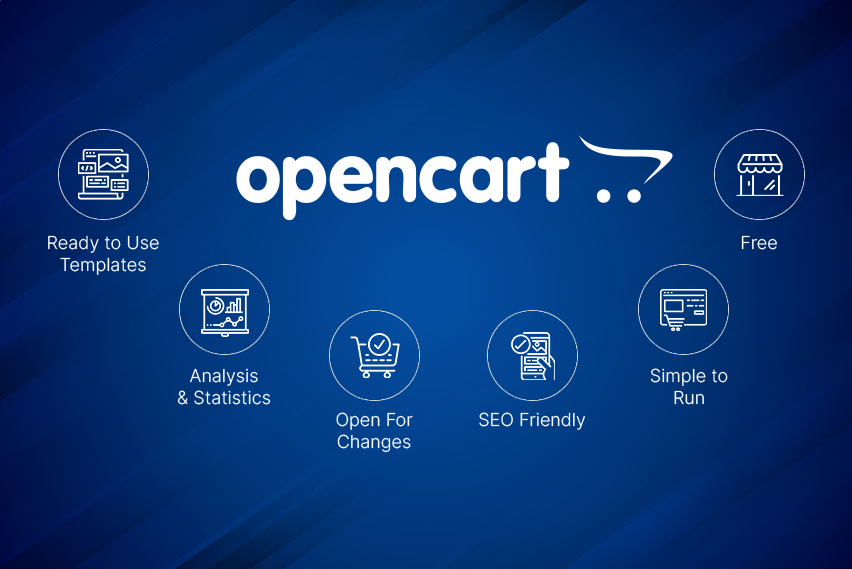
Open-Source & Community-Driven: Being open-source means you have full access to the source code, allowing for deep customization. A large and active community provides extensive documentation, forums, and a vast marketplace of themes and extensions.
-
Lightweight & Fast: OpenCart is known for its lean framework, which contributes to faster loading times—a crucial factor for both user experience and SEO.
-
Scalable Architecture: The platform can handle a significant number of products, categories, and customers, making it suitable for businesses of all sizes.
-
Extensive Marketplace: The OpenCart Extension Store offers thousands of modules and themes, from payment gateways and shipping integrations to marketing tools and SEO plugins.
Key Areas of OpenCart Development
OpenCart development encompasses a wide range of activities. Whether you're a seasoned developer or just getting started, understanding these core areas is essential.
1. Module and Extension Development
Modules and extensions are the building blocks for adding new features to an OpenCart store. This is a primary focus for most developers. You might create a custom module to integrate a new payment gateway, add a product configurator, or build a custom reporting dashboard. The MVCL structure makes this process systematic:
-
Controller: Handles the logic and data flow.
-
Model: Manages interactions with the database.
-
View: The template file that renders the user interface.
-
Language: Stores text strings for multi-language support.
2. Theme and Template Customization
While OpenCart comes with a default theme, most businesses require a unique design that reflects their brand identity. Theme development involves customizing the look and feel of the store. This includes modifying CSS, HTML (via Twig templates), and JavaScript. You can either create a theme from scratch or customize an existing one from the marketplace. A responsive design is non-negotiable, ensuring your store looks and functions perfectly on all devices.
3. API Integration
For businesses that need to connect their store with external systems, such as enterprise resource planning (ERP), customer relationship management (CRM) software, or third-party logistics (3PL) providers, API integration is key. OpenCart provides a robust API that allows developers to securely manage data, orders, and products programmatically.
4. Performance Optimization
A slow store can lead to lost sales and a poor user experience. OpenCart developers often focus on performance optimization techniques, including:
-
Caching: Implementing caching for database queries and page content.
-
Image Optimization: Compressing and serving images in next-gen formats.
-
Minification: Reducing the size of CSS and JavaScript files.
-
Server-Side Optimizations: Configuring the web server (e.g., Apache or Nginx) and PHP for maximum efficiency.
Best Practices for OpenCart Development
-
Use OCMOD: The OpenCart Modification System (OCMOD) is a powerful tool for making changes to the core system without directly editing the source code. This is crucial for maintaining upgrade compatibility and avoiding conflicts.
-
Secure Your Store: Always follow security best practices, such as using HTTPS, regularly updating the OpenCart version, and using strong passwords.
-
Version Control: Utilize a version control system like Git to track changes, collaborate with other developers, and easily revert to previous versions if issues arise.
-
Thorough Testing: Before deploying any new module, theme, or modification, test it rigorously in a development environment to ensure it functions correctly and doesn't introduce any bugs.
Conclusion
OpenCart development is a rewarding process that allows you to transform a standard e-commerce platform into a tailored, high-performing online store. With its clean code structure, extensive features, and an active developer community, OpenCart provides the ideal environment for building powerful and scalable e-commerce solutions. By focusing on key development areas like modules, themes, API integration, and performance optimization, you can unlock the full potential of your online business and stay ahead of the competition.