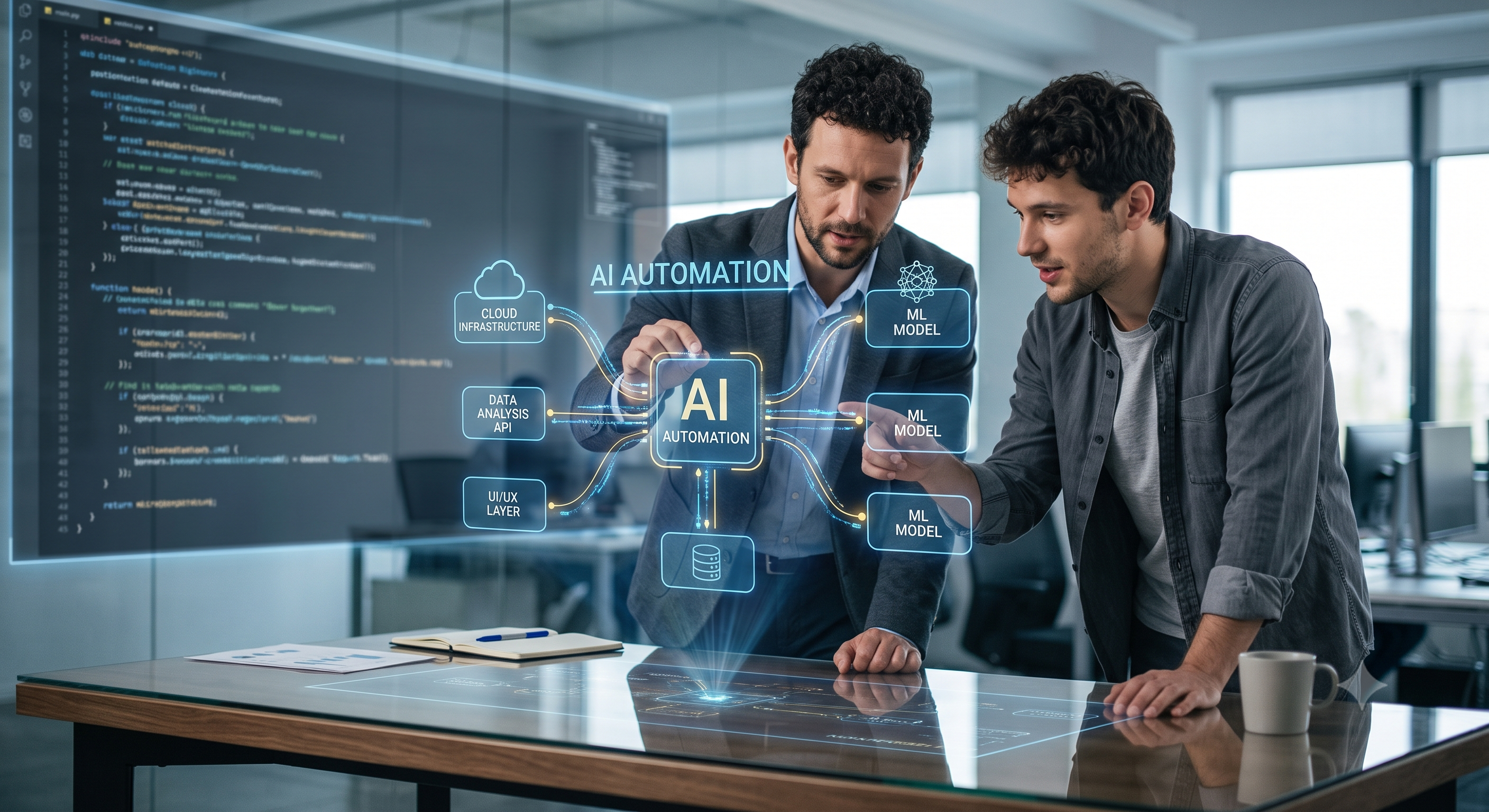

What is App Modernization? A Complete Guide for Businesses
Learn how app modernization helps businesses upgrade legacy systems, improve performance, and adopt modern technologies for scalability and growth.
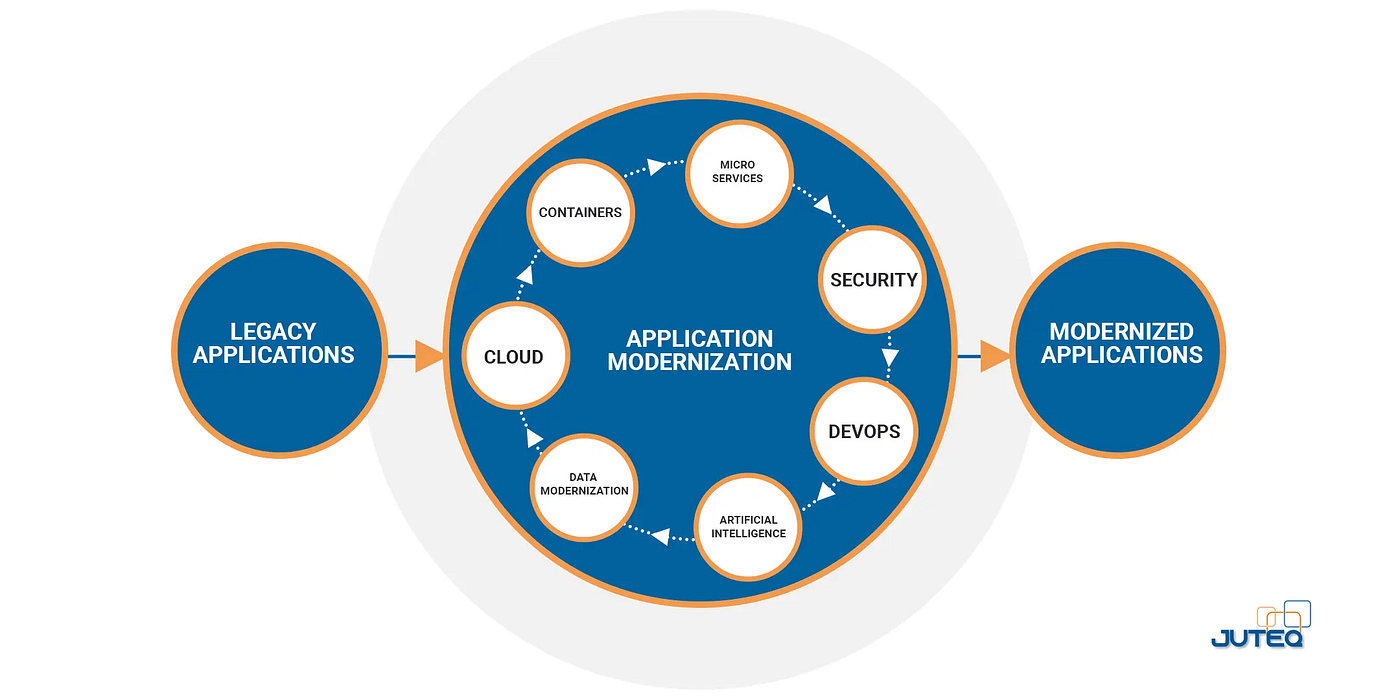
In today’s rapidly evolving digital world, businesses must adapt to stay competitive. Many organizations still rely on outdated software systems that limit performance, scalability, and user experience. This is where App Modernization becomes essential.
App modernization is the process of updating legacy applications to align with current technologies, frameworks, and business needs. It helps companies improve efficiency, reduce costs, and deliver better user experiences.
? What is App Modernization?
App modernization involves transforming old software systems into modern, flexible, and scalable applications. This may include:
- Updating user interfaces
- Migrating to cloud platforms
- Rewriting or refactoring code
- Integrating new technologies
The goal is not always to rebuild from scratch but to enhance existing systems for better performance and usability.
⚙️ Key Approaches to App Modernization
1. Rehosting (Lift and Shift)
This involves moving applications to the cloud without major changes. It is quick and cost-effective.
2. Refactoring
Improving the internal code structure without changing the external behavior of the application.
3. Replatforming
Making minor optimizations to take advantage of cloud capabilities while keeping the core structure intact.
4. Rebuilding
Redesigning and rewriting the application using modern technologies.
5. Replacing
Completely replacing the old system with a new solution.
?️ Technologies Used in App Modernization
Modernization relies on advanced tools and technologies such as:
- Cloud computing platforms
- Microservices architecture
- APIs and integrations
- Containerization (Docker, Kubernetes)
- Modern frontend frameworks
These technologies enable better scalability, flexibility, and performance.
? Benefits of App Modernization
? Improved Performance
Modern applications run faster and handle higher workloads efficiently.
? Enhanced User Experience
Updated UI/UX provides a smoother and more engaging experience.
? Scalability
Cloud-based systems can scale according to business needs.
? Cost Efficiency
Reducing maintenance costs of legacy systems saves money in the long run.
? Better Security
Modern applications include updated security protocols and compliance standards.
? Challenges in App Modernization
While beneficial, app modernization comes with challenges:
- High initial investment
- Complexity in migrating data
- Risk of downtime
- Need for skilled developers
Proper planning and strategy can help overcome these challenges.
?? App Modernization Process
Step 1: Assessment
Evaluate the current system, identify issues, and define goals.
Step 2: Strategy Planning
Choose the right modernization approach based on business needs.
Step 3: Implementation
Execute the modernization plan using appropriate tools and technologies.
Step 4: Testing
Ensure the application works smoothly without bugs or performance issues.
Step 5: Deployment & Monitoring
Launch the updated application and continuously monitor performance.
? Future Trends in App Modernization
The future of app modernization is driven by innovation:
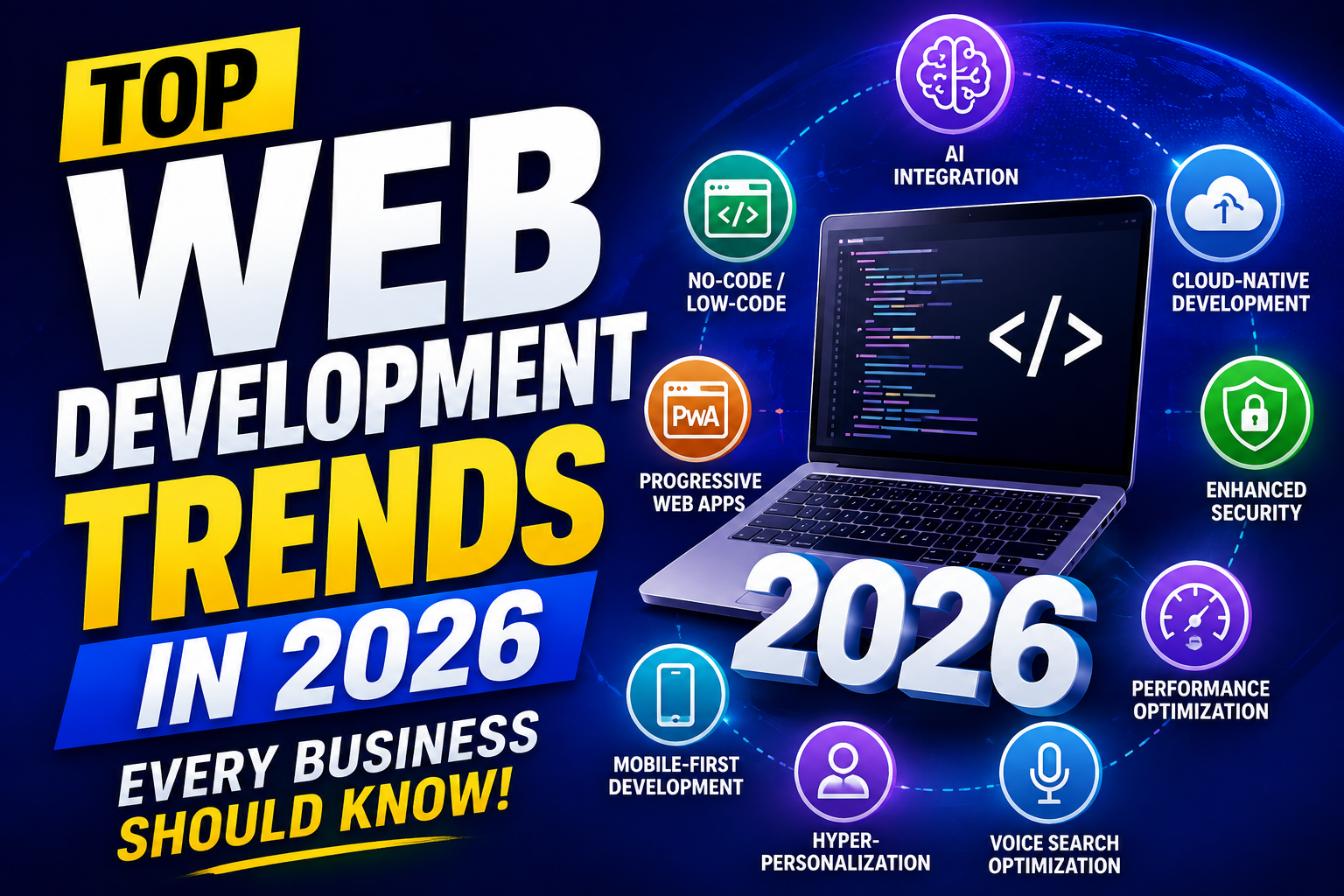
- AI and machine learning integration
- Serverless computing
- Low-code and no-code platforms
- Automation and DevOps practices
These trends will make modernization faster and more efficient.
? Conclusion
App modernization is no longer optional—it is a necessity for businesses that want to stay competitive in the digital age. By upgrading legacy systems, companies can improve performance, enhance user experience, and reduce operational costs.
With the right strategy and technologies, app modernization can transform outdated applications into powerful, future-ready solutions that support long-term business growth.
.jpeg)