
Why ERP Software Development is Essential for Digital Transformation
Discover everything about ERP software development, including benefits, features, process, and costs. Learn how custom ERP solutions can streamline your business operations and boost efficiency.
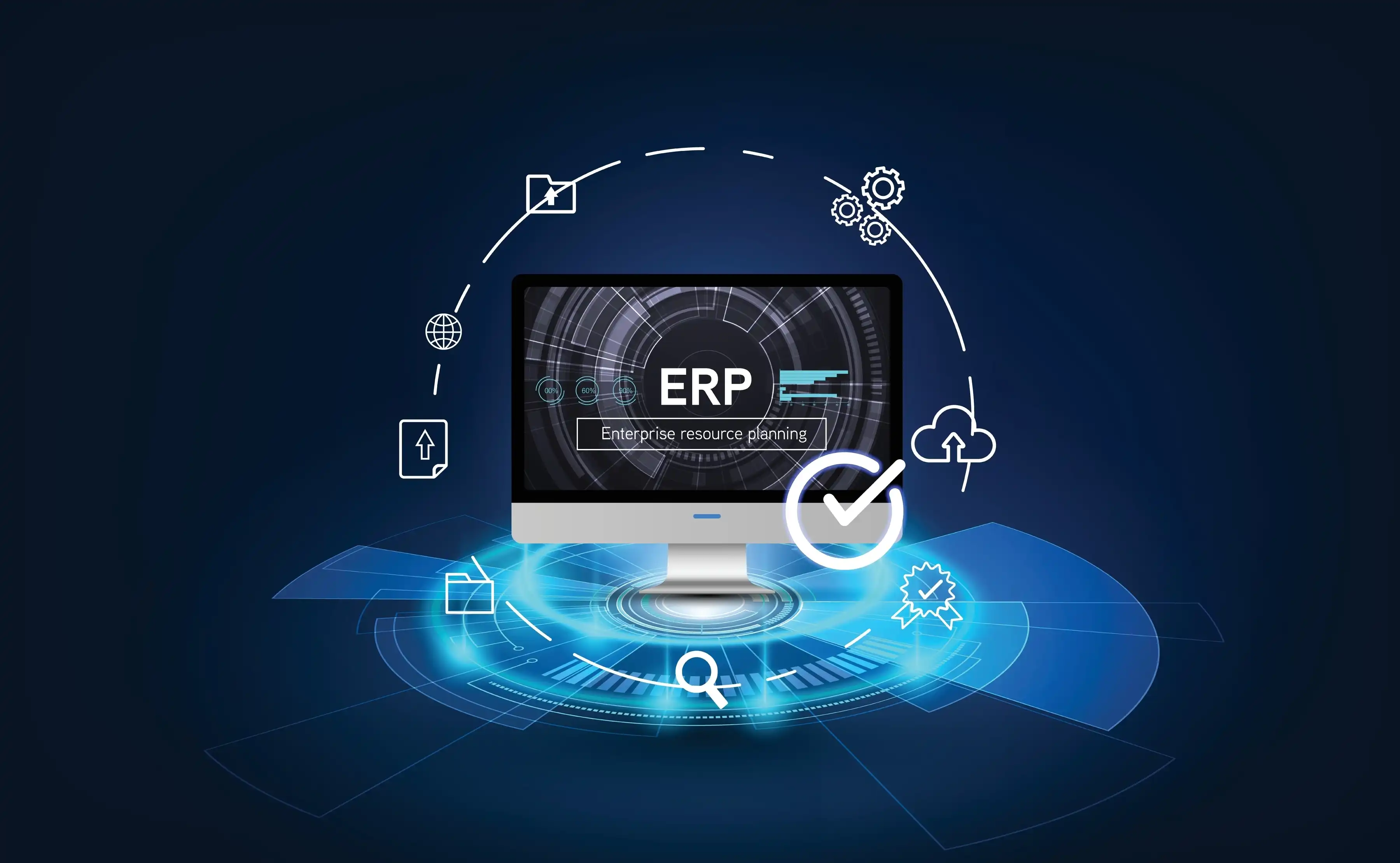
In today’s fast-paced digital world, businesses are constantly seeking ways to improve efficiency, streamline operations, and enhance productivity. This is where ERP (Enterprise Resource Planning) software plays a crucial role. ERP software development focuses on creating integrated systems that manage core business processes such as finance, HR, inventory, sales, and customer relationships in a unified platform.
? What is ERP Software?
ERP software is a centralized system that connects different departments within an organization, enabling seamless data flow and better decision-making. Instead of using multiple standalone tools, businesses can rely on a single ERP solution to manage all operations efficiently.
? Key Features of ERP Software
A well-developed ERP system includes several essential features:
- Centralized Database – All business data stored in one place
- Automation – Reduces manual tasks and human errors
- Real-Time Reporting – Instant insights for better decisions
- Scalability – Grows with your business
- Integration Capabilities – Connects with third-party tools
- User-Friendly Dashboard – Easy navigation and accessibility
? Benefits of ERP Software Development
✔️ Improved Efficiency
ERP systems automate repetitive tasks, saving time and effort.
✔️ Better Decision Making
With real-time analytics and reporting, businesses can make informed decisions quickly.
✔️ Enhanced Collaboration
All departments work on the same platform, improving communication and coordination.
✔️ Cost Reduction
Eliminates the need for multiple software solutions and reduces operational costs.
✔️ Data Security
Modern ERP systems offer advanced security features to protect sensitive business data.
? Types of ERP Software
- On-Premise ERP – Installed on company servers
- Cloud-Based ERP – Hosted online, accessible anytime
- Hybrid ERP – Combination of both on-premise and cloud
? ERP Software Development Process
1. Requirement Analysis
Understanding business needs, goals, and challenges.
2. Planning & Design
Creating system architecture, UI/UX design, and workflow planning.
3. Development
Coding the ERP modules based on requirements.
4. Testing
Ensuring the system is bug-free and performs efficiently.
5. Deployment
Launching the ERP system in a live environment.
6. Maintenance & Support
Regular updates, improvements, and technical support.
? Custom ERP vs Ready-Made ERP
| Feature | Custom ERP | Ready-Made ERP |
|---|---|---|
| Flexibility | High | Limited |
| Cost | Higher initially | Lower upfront |
| Scalability | Fully scalable | Limited scalability |
| Customization | Fully customizable | Restricted |
? Industries Using ERP Software
ERP solutions are widely used across various industries:
- Manufacturing
- Healthcare
- Retail & E-commerce
- Finance
- Education
- Logistics & Supply Chain
? Latest Trends in ERP Development
- AI Integration – Smart automation and predictive analytics
- Cloud ERP – Increasing adoption due to flexibility
- Mobile ERP – Access systems on smartphones
- IoT Integration – Real-time data from connected devices
- Blockchain – Enhanced security and transparency
? Cost of ERP Software Development
The cost of ERP development depends on multiple factors:
- Number of features and modules
- Complexity of the system
- Development team location
- Technology stack used
? On average, ERP development can range from $10,000 to $150,000+ depending on project scope.
? Challenges in ERP Development
- High initial investment
- Complex implementation
- User training requirements
- Data migration issues
? Conclusion
ERP software development is a powerful solution for businesses aiming to streamline operations and improve productivity. Whether you choose a custom-built ERP or a ready-made solution, investing in ERP technology can significantly enhance business efficiency and scalability. As technology continues to evolve, ERP systems will become even more intelligent, flexible, and essential for digital transformation.