

A Complete Guide to DevOps Services for Modern Businesses
Discover how DevOps services help businesses improve software delivery, enhance collaboration, and achieve faster, more reliable results.
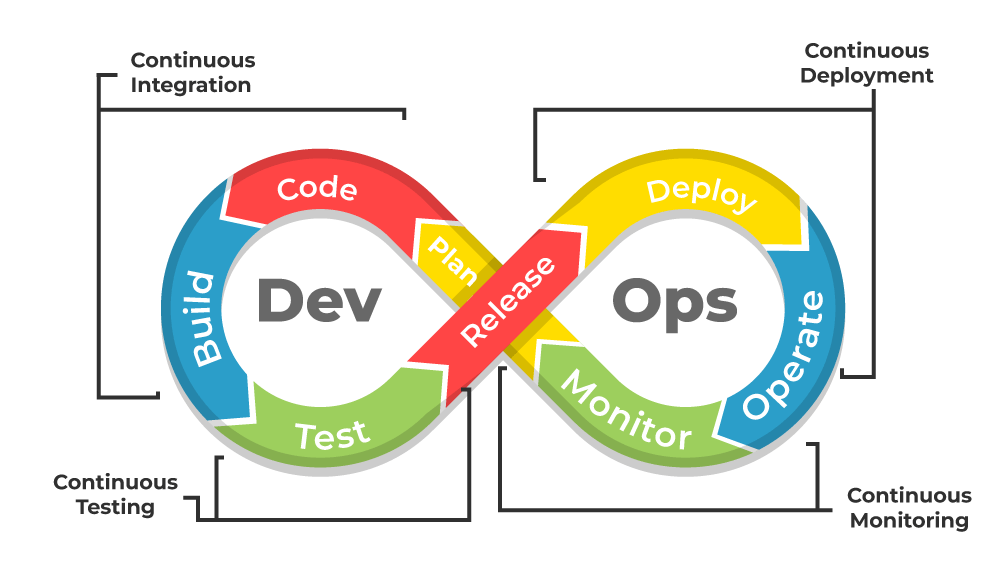
In today’s fast-moving digital environment, businesses need to deliver software quickly without compromising quality. This is where DevOps services come into play. DevOps is a combination of development (Dev) and operations (Ops), aimed at improving collaboration, automating workflows, and delivering high-quality software faster.
What are DevOps Services?
DevOps services involve a set of practices, tools, and processes that bring development and IT operations teams together. The goal is to shorten the software development lifecycle while maintaining high standards of quality and reliability.
These services include automation, continuous integration, continuous delivery, monitoring, and infrastructure management.
Key Components of DevOps Services
1. Continuous Integration (CI)
CI allows developers to merge code changes frequently into a shared repository. Automated testing ensures that new code does not break existing functionality.
2. Continuous Delivery (CD)
CD ensures that software can be released at any time. It automates the deployment process, making releases faster and more reliable.
3. Infrastructure as Code (IaC)
IaC allows teams to manage and provision infrastructure using code instead of manual processes. This improves consistency and reduces errors.
4. Automation
Automation is at the heart of DevOps. It reduces manual work, speeds up processes, and increases efficiency.
5. Monitoring and Logging
Real-time monitoring helps detect issues early and ensures smooth system performance. Logging provides insights for troubleshooting and optimization.
Benefits of DevOps Services
1. Faster Time to Market
DevOps enables quicker development and deployment cycles, helping businesses launch products faster.
2. Improved Collaboration
Development and operations teams work together, leading to better communication and efficiency.
3. Higher Quality Software
Automated testing and continuous feedback ensure fewer bugs and better performance.
4. Scalability and Flexibility
DevOps practices support scalable infrastructure, making it easier to handle growth.
5. Cost Efficiency
Automation and optimized processes reduce operational costs over time.
Common DevOps Tools
- Jenkins for automation and CI/CD
- Docker for containerization
- Kubernetes for container orchestration
- Git for version control
- AWS, Azure, or Google Cloud for cloud infrastructure
Challenges in DevOps Implementation
- Resistance to change within teams
- Lack of skilled professionals
- Tool integration complexities
- Security concerns
These challenges can be managed with proper planning, training, and the right tools.
Steps to Implement DevOps Services
- Assess Your Current Workflow – Identify gaps and inefficiencies
- Adopt the Right Tools – Choose tools that match your needs
- Automate Processes – Focus on repetitive tasks
- Encourage Collaboration – Break down silos between teams
- Monitor and Optimize – Continuously improve performance
Future of DevOps Services
The future of DevOps lies in AI-driven automation, advanced analytics, and stronger security integration (DevSecOps). Businesses are increasingly adopting cloud-native technologies to stay competitive and innovative.
Conclusion
DevOps services are essential for modern businesses that want to deliver high-quality software quickly and efficiently. By improving collaboration, automating processes, and using the right tools, organizations can achieve better results and stay ahead in a competitive market. Investing in DevOps is not just a technical decision—it’s a strategic move toward long-term success.
.jpeg)

.jpeg)