

Angular Development Explained: Features, Benefits & Best Practice
Learn everything about Angular development, including features, benefits, tools, and why it’s ideal for building scalable and dynamic web applications.
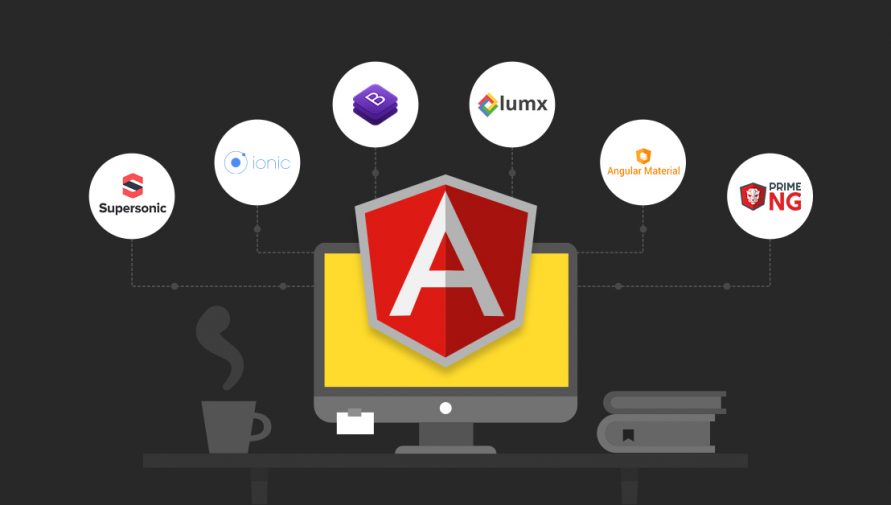
In today’s digital landscape, building fast, scalable, and dynamic web applications is essential for businesses. Angular development has emerged as one of the most powerful solutions for creating modern web applications.
Developed and maintained by Google, Angular is a robust front-end framework that enables developers to build high-performance applications with ease.
? What is Angular?
Angular is a TypeScript-based open-source web application framework used to create dynamic single-page applications (SPAs). It provides a structured approach to development, making it easier to build and maintain large-scale applications.
⚙️ Key Features of Angular
1. Component-Based Architecture
Angular uses a modular structure where applications are built using reusable components, improving code organization and maintainability.
2. Two-Way Data Binding
This feature ensures that changes in the user interface automatically reflect in the application data and vice versa.
3. Dependency Injection
Angular provides built-in dependency injection, making code more modular, testable, and efficient.
4. TypeScript Support
Angular is built using TypeScript, which enhances code quality with static typing and advanced features.
5. Built-in Tools & CLI
Angular CLI (Command Line Interface) simplifies development by automating tasks like project setup, testing, and deployment.
?️ Angular Development Tools
Developers use various tools to enhance Angular development:
- Angular CLI
- Visual Studio Code
- npm (Node Package Manager)
- Git for version control
These tools help streamline development and improve productivity.
? Benefits of Angular Development
? Scalability
Angular is ideal for building large-scale applications due to its structured architecture.
? High Performance
Optimized rendering and efficient data handling ensure fast application performance.
? Strong Community Support
Being backed by Google, Angular has a large and active developer community.
? Reusability
Components can be reused across the application, saving time and effort.
? Cross-Platform Development
Angular supports building web, mobile, and desktop applications.
? Angular vs Other Frameworks
Angular stands out when compared to other frameworks like React and Vue.js due to its full-fledged ecosystem and built-in features.
- Angular: Complete framework with built-in tools
- React: Library focused on UI components
- Vue.js: Lightweight and flexible framework
?? Use Cases of Angular Development
- Enterprise-level web applications
- E-commerce platforms
- Real-time applications
- Progressive Web Apps (PWAs)
- Dashboards and analytics tools
? Future of Angular Development
Angular continues to evolve with regular updates and improvements. With the growing demand for scalable and high-performance applications, Angular remains a strong choice for developers and businesses alike.
Emerging trends like AI integration, micro frontends, and server-side rendering will further enhance Angular’s capabilities.
? Conclusion
Angular development is a powerful solution for building modern, scalable, and high-performance web applications. With its robust features, strong community support, and continuous updates, Angular remains a top choice for developers worldwide.
Whether you're building a small application or a large enterprise system, Angular provides the tools and flexibility needed to create efficient and future-ready solutions.