
JavaScript Explained: Features, Uses, and Benefits
Learn everything about JavaScript, the most popular programming language for web development. Discover its features, benefits, and how it powers modern websites.
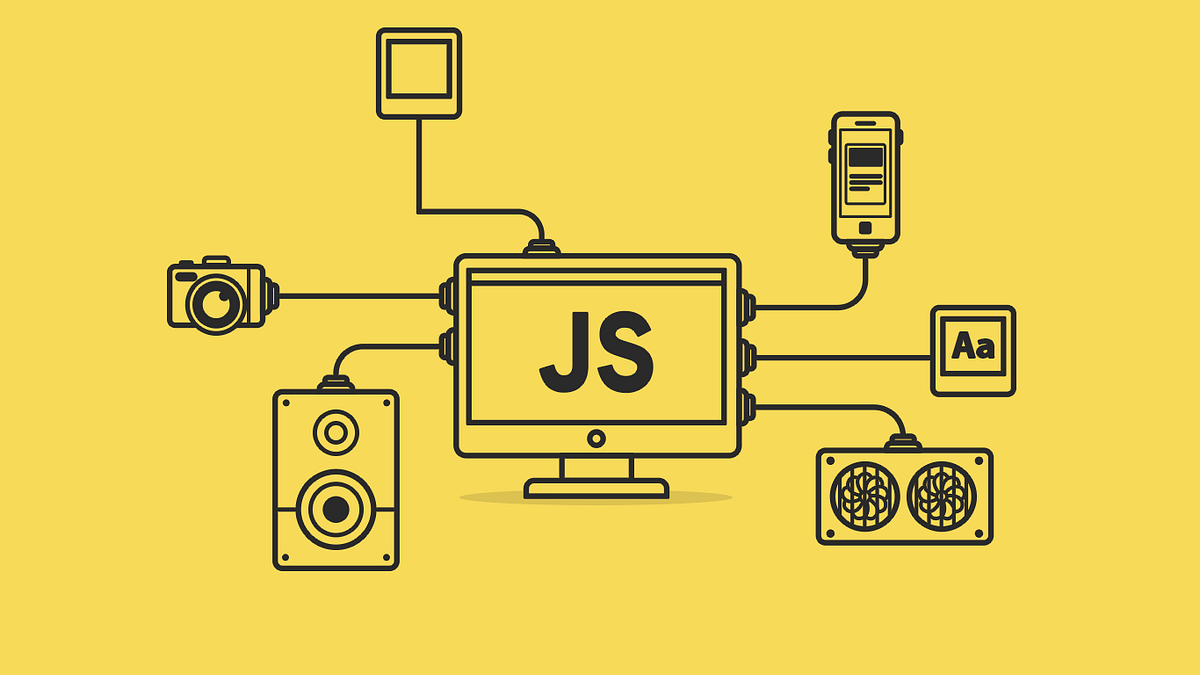
In today’s digital world, websites are no longer static pages—they are dynamic, interactive, and user-friendly experiences. Behind most of these modern web experiences lies JavaScript, one of the most powerful and widely used programming languages.
Whether you’re browsing social media, shopping online, or filling out a form, JavaScript plays a crucial role in making websites interactive and engaging.
What is JavaScript?
JavaScript is a high-level, interpreted programming language primarily used to create interactive elements on websites. It works alongside HTML and CSS to enhance the functionality and user experience of web pages.
While HTML structures the content and CSS styles it, JavaScript adds behavior—making websites dynamic and responsive.
Key Features of JavaScript
1. Lightweight and Fast
JavaScript is lightweight and executes quickly in the browser, ensuring smooth performance.
2. Client-Side Scripting
It runs directly in the user’s browser, reducing server load and improving speed.
3. Versatility
JavaScript can be used for both frontend and backend development (using environments like Node.js).
4. Event-Driven Programming
JavaScript responds to user actions like clicks, scrolls, and keyboard inputs.
5. Cross-Platform Compatibility
It works across all modern browsers and devices without compatibility issues.
6. Rich Ecosystem
JavaScript has a vast ecosystem of libraries and frameworks like React, Angular, and Vue.js.
Why is JavaScript Important?
JavaScript is essential for modern web development because it enables developers to build interactive and dynamic websites. Without JavaScript, websites would be static and less engaging.
It powers:
- Interactive forms
- Animations and sliders
- Real-time updates
- Web applications
- Games and multimedia
Common Uses of JavaScript
✔ Web Development
Used to create dynamic and interactive websites.
✔ Mobile App Development
Frameworks like React Native allow developers to build mobile apps using JavaScript.
✔ Server-Side Development
With Node.js, JavaScript can be used to build backend systems and APIs.
✔ Game Development
JavaScript is used to create browser-based games.
✔ Web Applications
Platforms like Gmail and Google Maps rely heavily on JavaScript.
Advantages of JavaScript
✔ Easy to Learn
Beginner-friendly syntax makes it accessible for new developers.
✔ Speed and Performance
Executes quickly on the client side.
✔ Huge Community Support
A large developer community provides resources, tutorials, and tools.
✔ Integration
Easily integrates with other technologies and frameworks.
✔ Constant Updates
Regular updates keep JavaScript modern and powerful.
Challenges of JavaScript
- Browser compatibility issues (though mostly resolved today)
- Security concerns in client-side execution
- Debugging can sometimes be complex
Despite these challenges, JavaScript remains the most popular programming language.
Tips to Learn JavaScript Effectively
- Start with basics like variables, functions, and loops
- Practice by building small projects
- Learn modern ES6+ features
- Explore frameworks like React or Vue
- Work on real-world applications
Future of JavaScript
JavaScript continues to evolve with new frameworks, tools, and features. With the rise of AI, progressive web apps, and serverless architecture, JavaScript will remain a key technology in the future of web development.
Conclusion
JavaScript is the backbone of modern web development, enabling developers to create dynamic, interactive, and high-performing websites. Its versatility, ease of use, and powerful ecosystem make it an essential skill for anyone entering the world of programming.
Whether you are a beginner or an experienced developer, learning JavaScript opens the door to endless opportunities in web and software development.
.jpeg)