

The Best API Tools for Building and Testing Modern Applications
Discover the best API tools for development, testing, and integration. Learn how API tools improve efficiency, automate workflows, and enhance software performance.
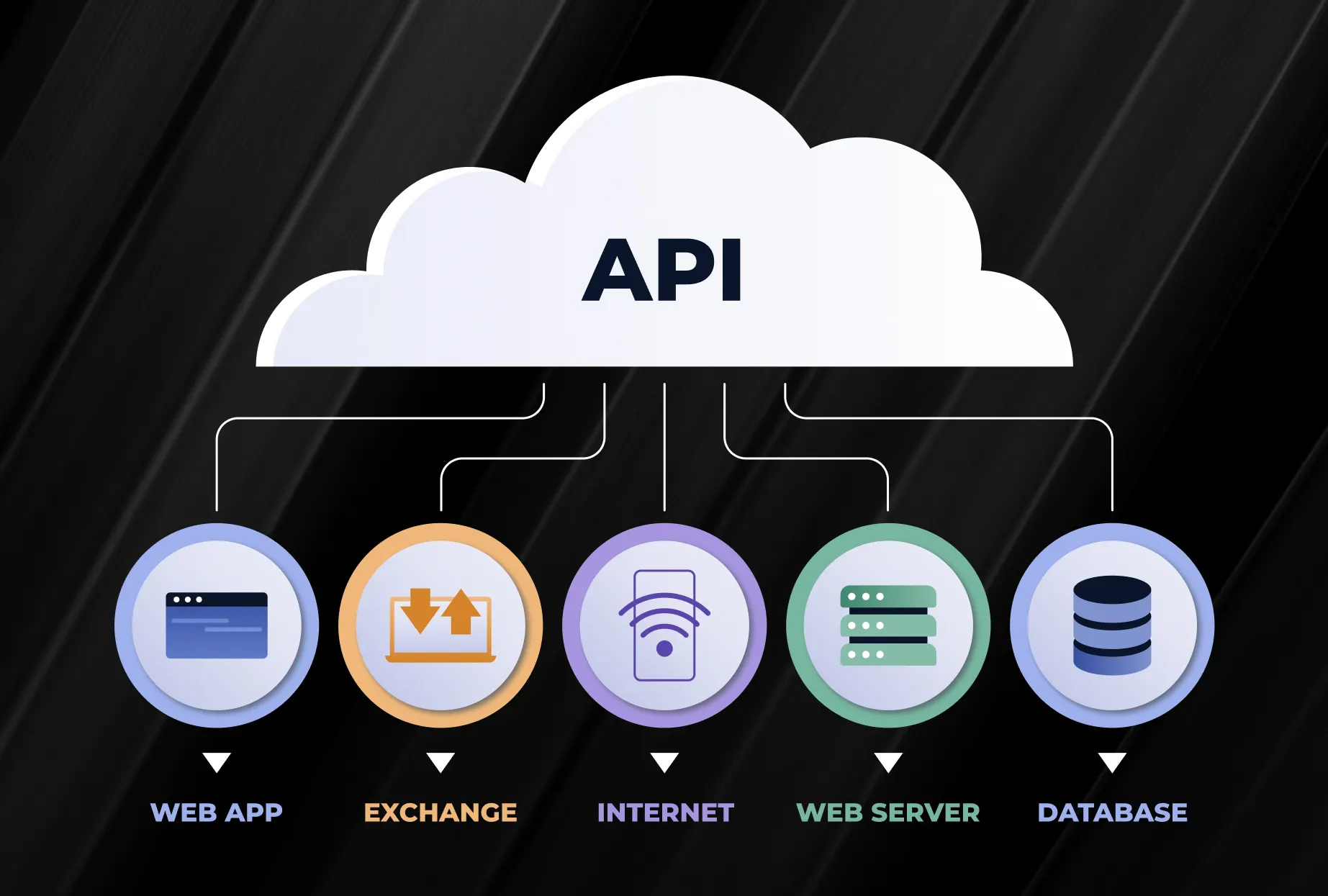
In today’s connected digital ecosystem, applications need to communicate seamlessly with each other. This is made possible through APIs (Application Programming Interfaces). To simplify the process of building, testing, and managing APIs, developers rely on powerful API tools. These tools help improve efficiency, reduce errors, and accelerate development workflows.
What are API Tools?
API tools are software applications that assist developers in creating, testing, documenting, and managing APIs. They provide a user-friendly interface to send requests, analyze responses, and automate tasks related to API development.
Popular API Tools
1. Postman
One of the most widely used API tools, Postman allows developers to test APIs, create automated workflows, and collaborate with teams. It offers a simple interface and powerful features for both beginners and professionals.
2. Swagger
Swagger is popular for API design and documentation. It helps developers create interactive API documentation, making it easier to understand and use APIs.
3. Insomnia
Insomnia is a lightweight and efficient API client used for testing REST and GraphQL APIs. It is known for its clean interface and ease of use.
4. RapidAPI
RapidAPI is a platform that allows developers to discover, test, and connect to thousands of APIs across different categories.
5. SoapUI
SoapUI is a powerful tool for testing SOAP and REST APIs. It is widely used for functional and load testing.
Key Features of API Tools
- API Testing: Send requests and validate responses
- Automation: Automate repetitive testing tasks
- Collaboration: Share collections and workflows with teams
- Documentation: Generate and maintain API documentation
- Debugging: Identify and fix issues quickly
Benefits of Using API Tools
- Improved Efficiency: Speeds up development and testing processes
- Error Reduction: Helps detect bugs early
- Better Collaboration: Teams can work together seamlessly
- Time-Saving: Automates repetitive tasks
- Enhanced Performance: Ensures APIs function smoothly
Use Cases of API Tools
1. API Development
Developers use API tools to design and build APIs efficiently.
2. Testing and Debugging
API tools help identify issues and ensure APIs work correctly under different conditions.
3. Integration
Businesses use APIs to connect different systems, and API tools simplify this process.
4. Monitoring
Some tools allow developers to monitor API performance and uptime.
Best Practices for Using API Tools
- Use environment variables for flexibility
- Automate test cases wherever possible
- Keep API documentation updated
- Secure APIs with authentication methods
- Regularly monitor API performance
Challenges of API Tools
- Learning curve for beginners
- Managing large API collections
- Security concerns if not configured properly
- Dependency on third-party tools
Future of API Tools
With the rise of microservices and cloud computing, API tools are becoming more advanced. AI-powered automation, real-time monitoring, and enhanced security features are shaping the future of API development. These innovations will make API tools even more essential for modern software development.
Conclusion
API tools play a vital role in modern application development by simplifying the process of building, testing, and managing APIs. They help developers work more efficiently, reduce errors, and deliver high-quality applications. As technology continues to evolve, mastering API tools will be essential for staying competitive in the digital world.