

What is Cloud Computing? A Complete Guide for Beginners
Learn what cloud computing is, its types, benefits, and how it is transforming businesses with scalable, secure, and cost-effective solutions.
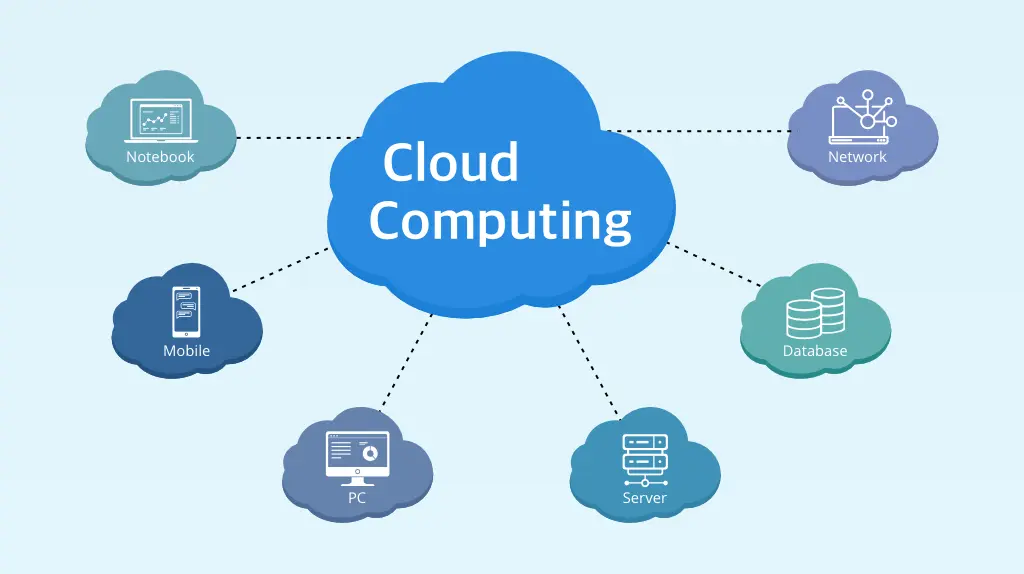
Cloud computing has revolutionized the way businesses and individuals store, access, and manage data. Instead of relying on physical hardware, cloud computing allows users to access resources over the internet, making operations more flexible, scalable, and cost-effective.
? What is Cloud Computing?
Cloud computing is the delivery of computing services such as storage, servers, databases, networking, and software over the internet (the “cloud”). It enables users to access data and applications anytime, anywhere, without needing local infrastructure.
? Types of Cloud Computing
? Public Cloud
Services are delivered over the public internet and shared among multiple users. Examples include platforms like AWS, Microsoft Azure, and Google Cloud.
? Private Cloud
A dedicated cloud environment used by a single organization, offering greater control and security.
? Hybrid Cloud
A combination of public and private clouds, allowing data and applications to be shared between them for better flexibility.
? Cloud Service Models
1. Infrastructure as a Service (IaaS)
Provides virtualized computing resources such as servers and storage.
2. Platform as a Service (PaaS)
Offers a platform for developers to build, test, and deploy applications.
3. Software as a Service (SaaS)
Delivers software applications over the internet on a subscription basis.
? Benefits of Cloud Computing
✔ Cost Efficiency
Eliminates the need for expensive hardware and maintenance costs.
✔ Scalability
Resources can be scaled up or down based on business needs.
✔ Accessibility
Access data and applications from anywhere with an internet connection.
✔ Data Backup and Recovery
Cloud platforms offer reliable backup and disaster recovery solutions.
✔ Security
Advanced security measures like encryption and authentication protect data.
? Key Technologies in Cloud Computing
- Virtualization
- Distributed Computing
- APIs (Application Programming Interfaces)
- Containerization (Docker, Kubernetes)
- Edge Computing
? Role of Cloud Computing in Business
Cloud computing helps businesses:
- Improve collaboration among teams
- Enable remote work and flexibility
- Enhance customer experience
- Store and analyze large amounts of data
- Launch applications faster
? Latest Trends in Cloud Computing
? Multi-Cloud Strategy
Organizations are using multiple cloud providers to avoid dependency on one platform.
? Serverless Computing
Developers can build applications without managing servers.
? Artificial Intelligence Integration
Cloud platforms are integrating AI tools for smarter data analysis.
? Cloud Security Enhancements
New technologies are improving data protection and compliance.
? Challenges of Cloud Computing
- Data privacy concerns
- Dependence on internet connectivity
- Vendor lock-in issues
- Limited control in public cloud environments
? Future of Cloud Computing
The future of cloud computing is rapidly evolving with advancements in AI, machine learning, and edge computing. Businesses will increasingly rely on cloud solutions to stay competitive and innovative.
Cloud computing will continue to be a key driver of digital transformation across industries.
✅ Conclusion
Cloud computing is no longer an option—it is a necessity in today’s digital world. It offers flexibility, scalability, and efficiency that traditional systems cannot match. As technology advances, cloud computing will play an even bigger role in shaping the future of businesses and everyday life.

.jpeg)
-Photoroom.png)