
Why Every Startup Needs a Professional Website in Today’s Market
In today’s digital-first world, a startup’s success often begins online. Before customers visit your office, call your team, or purchase your product, they search for you on the internet. A professional website is no longer a luxury—it is a fundamental business asset. For startups aiming to build credibility, attract customers, and compete effectively, having a professionally designed website is essential. Let’s explore why every startup needs a professional website in today’s competitive market.
.jpg)
1. Builds Credibility and Trust
First impressions matter, especially for new businesses. A professionally designed website instantly establishes credibility and builds trust with potential customers. When users visit a clean, modern, and well-structured website, they are more likely to view the startup as reliable and serious about its offerings.
On the other hand, a poorly designed or outdated website can create doubt. A professional website includes clear branding, consistent design, secure browsing (HTTPS), and transparent contact information—all of which strengthen trust.
2. Creates a Strong Online Presence
Most consumers search online before making purchasing decisions. Without a website, your startup may appear invisible or unprofessional. A professional website ensures that your brand is discoverable through search engines and online marketing efforts.
By implementing proper SEO strategies, startups can rank for relevant keywords and attract organic traffic. This increases visibility and helps businesses compete with established companies in their industry.
3. Acts as a 24/7 Marketing Tool
Unlike a physical office, a website works around the clock. It provides information about your products, services, pricing, and company values at any time of day. Potential customers can learn about your startup even outside business hours.
A professional website can also integrate:
-
Lead generation forms
-
Live chat support
-
Email subscriptions
-
Booking systems
-
E-commerce functionality
This turns your website into a powerful marketing and sales machine.
4. Supports Brand Identity and Positioning
Startups need clear branding to stand out in a crowded market. A professional website helps define your brand identity through colors, typography, messaging, and visuals. It communicates your mission, vision, and unique value proposition effectively.
Consistent branding across your website and social media channels strengthens recognition and makes your startup more memorable to customers.
5. Improves Customer Engagement
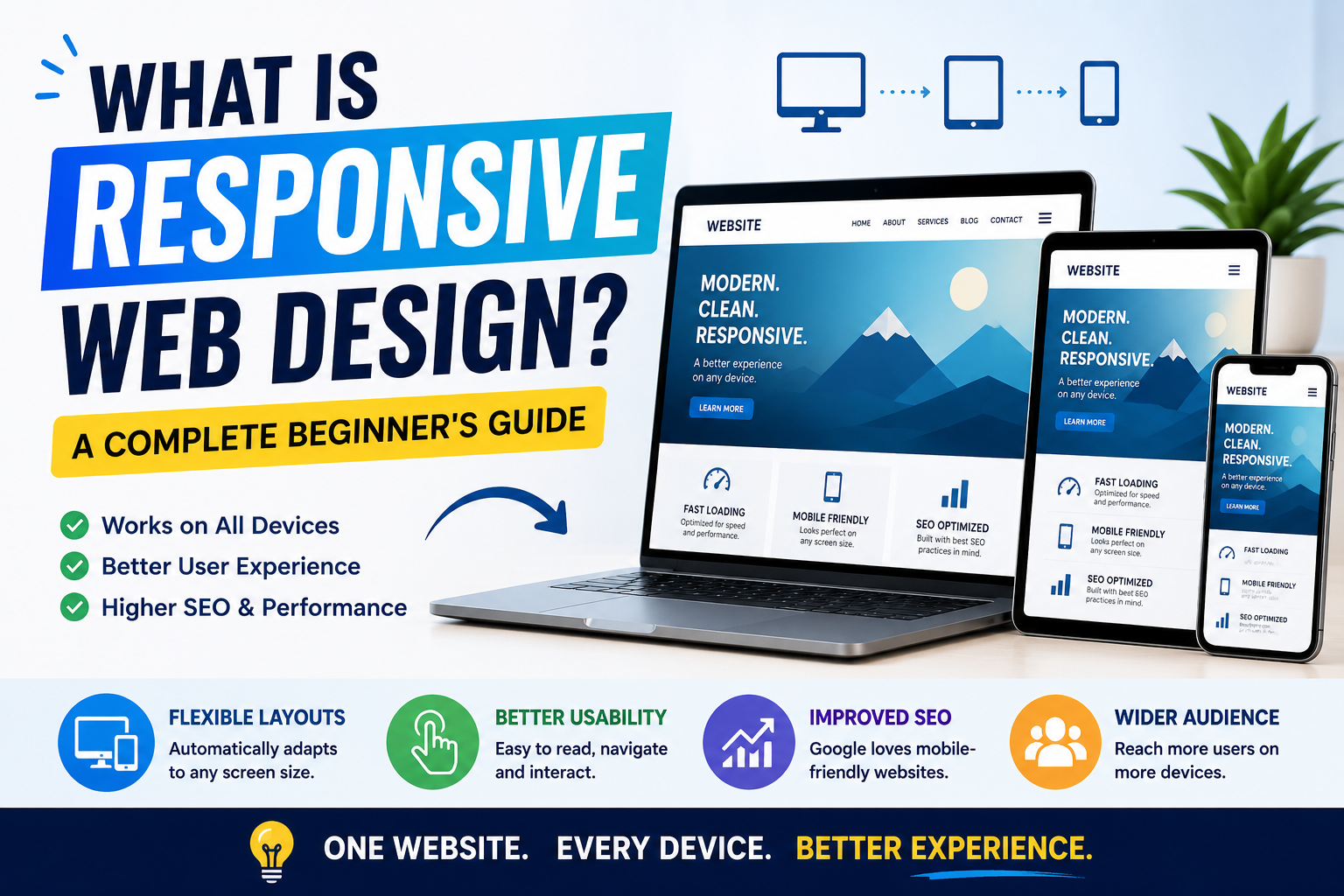
Modern websites are designed to engage users through intuitive navigation, fast loading speeds, and mobile responsiveness. A professional website ensures visitors can easily find information and interact with your brand.
Features such as blogs, FAQs, testimonials, and case studies build stronger connections with potential customers. Engaged users are more likely to convert into paying clients.
6. Enables Data-Driven Growth
One of the biggest advantages of having a website is access to valuable data. Analytics tools allow startups to track visitor behavior, popular pages, traffic sources, and conversion rates.
This data helps founders:
-
Understand customer preferences
-
Improve marketing strategies
-
Optimize user experience
-
Increase conversion rates
Data-driven decision-making is crucial for startup growth.
7. Competitive Advantage in the Market
In today’s market, most competitors already have a strong online presence. Without a professional website, startups risk falling behind. A well-designed website levels the playing field, allowing smaller businesses to compete with larger brands.
With the right strategy, even a new startup can build authority and attract customers through content marketing, SEO, and digital campaigns.
Final Thoughts
A professional website is one of the most important investments a startup can make. It builds credibility, strengthens branding, drives marketing efforts, and supports long-term growth. In today’s digital economy, customers expect businesses to have a strong online presence—and startups that meet this expectation are more likely to succeed.
Simply put, if your startup doesn’t have a professional website, you’re missing valuable opportunities for visibility, trust, and revenue growth.

.jpeg)