
The Ultimate Guide to Inventory Management Solutions in 2026
Discover how inventory management solutions help businesses track stock, reduce costs, and improve efficiency. Learn key features, benefits, and best practices.
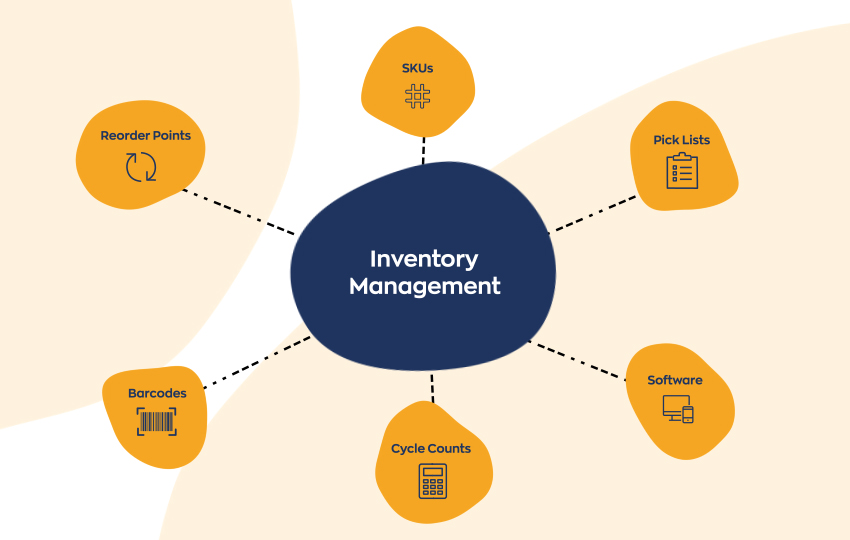
In today’s fast-paced business environment, managing inventory efficiently is critical for success. Whether you run a small retail shop or a large enterprise, keeping track of stock levels, orders, and deliveries can be challenging without the right tools. This is where inventory management solutions come into play, helping businesses streamline operations, reduce errors, and improve overall productivity.
What is Inventory Management?
Inventory management refers to the process of ordering, storing, tracking, and managing a company’s inventory. It ensures that the right products are available at the right time while minimizing excess stock and avoiding shortages.
What are Inventory Management Solutions?
Inventory management solutions are software tools or systems designed to automate and optimize inventory-related processes. These solutions provide real-time insights into stock levels, sales trends, and supply chain operations, enabling businesses to make informed decisions.
Key Features of Inventory Management Solutions
1. Real-Time Inventory Tracking
Track stock levels across multiple locations in real-time to avoid stockouts and overstocking.
2. Order Management
Manage purchase orders, sales orders, and returns efficiently from a single platform.
3. Barcode and SKU Management
Simplify product identification and tracking using barcodes and unique SKU codes.
4. Reporting and Analytics
Generate detailed reports on inventory performance, sales trends, and demand forecasting.
5. Multi-Channel Integration
Sync inventory across online stores, marketplaces, and physical locations.
Benefits of Inventory Management Solutions
Improved Accuracy
Automation reduces human errors and ensures accurate stock data.
Cost Reduction
Avoid overstocking and reduce storage costs with better inventory control.
Better Customer Satisfaction
Ensure products are always available, leading to faster order fulfillment.
Time Efficiency
Automated processes save time and allow teams to focus on core business activities.
Scalability
Easily manage growing inventory needs as your business expands.
Why Businesses Need Inventory Management Solutions
Manual inventory tracking is time-consuming and prone to errors. As businesses grow, managing inventory without a proper system becomes increasingly complex. Inventory management solutions help businesses stay organized, improve efficiency, and maintain a competitive edge in the market.
Best Practices for Effective Inventory Management
- Regularly audit inventory to ensure accuracy
- Use demand forecasting to plan stock levels
- Implement automated systems for tracking
- Maintain clear categorization of products
- Monitor key performance indicators (KPIs)
Industries That Benefit from Inventory Management
- Retail and e-commerce
- Manufacturing
- Healthcare and pharmaceuticals
- Logistics and warehousing
- Food and beverage industry
Future of Inventory Management
With advancements in technology, inventory management is evolving rapidly. Integration with AI, cloud computing, and IoT devices is making inventory systems smarter and more efficient. Businesses can now predict demand, automate restocking, and gain deeper insights into their operations.
Conclusion
Inventory management solutions are essential for businesses looking to improve efficiency, reduce costs, and enhance customer satisfaction. By adopting the right system, companies can streamline their operations and stay ahead in a competitive market. Investing in a reliable inventory management solution is not just an option—it’s a necessity for long-term growth and success.