
The Ultimate Guide to Learning Management Systems (LMS) in 2026
Discover how Learning Management Solutions (LMS) help organizations deliver, manage, and track training programs efficiently. Learn features, benefits, and future trends.
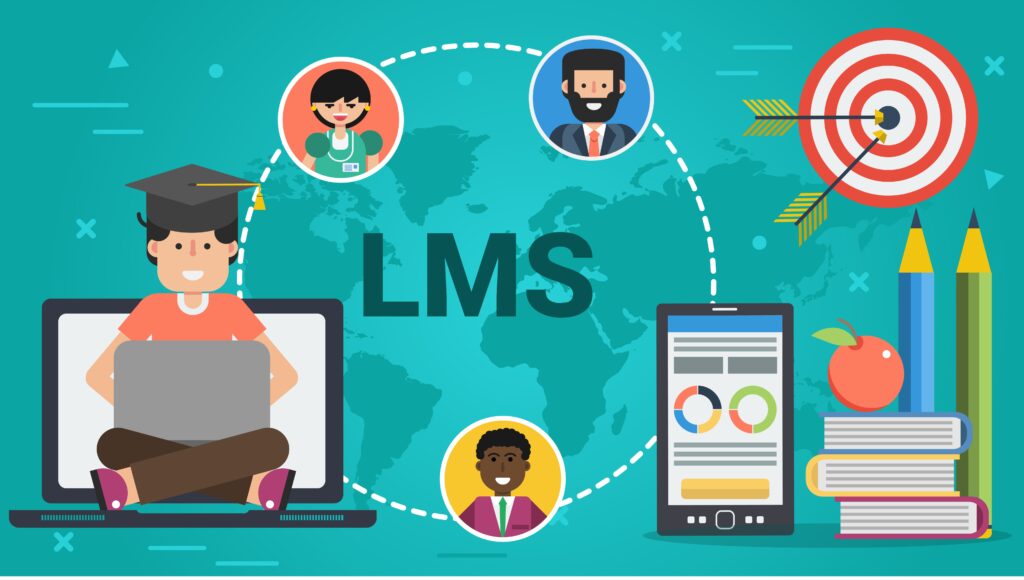
In today’s fast-paced digital world, learning is no longer confined to classrooms. Businesses and educational institutions are increasingly adopting Learning Management Solutions (LMS) to deliver training and education online. These platforms make learning more accessible, flexible, and efficient for both learners and administrators.
What is a Learning Management Solution (LMS)?
A Learning Management System (LMS) is a software platform designed to create, deliver, manage, and track educational courses and training programs. It allows organizations to centralize learning materials, monitor progress, and evaluate performance in a structured way.
From employee training to online courses, LMS platforms are transforming how knowledge is shared and consumed.
Key Features of Learning Management Solutions
1. Course Management
Create, organize, and deliver courses with multimedia content such as videos, PDFs, and quizzes.
2. User Management
Manage learners, instructors, and administrators with role-based access control.
3. Progress Tracking
Monitor learner progress, completion rates, and performance through detailed analytics.
4. Assessment & Certification
Conduct quizzes, tests, and provide certifications upon course completion.
5. Mobile Learning
Access courses anytime, anywhere through mobile-friendly platforms.
6. Integration Capabilities
Integrate LMS with CRM, HRM systems, and other business tools.
Benefits of Using LMS
✔ Flexible Learning
Users can learn at their own pace and convenience.
✔ Cost-Effective
Reduces costs associated with traditional classroom training.
✔ Scalable Solution
Easily scale training programs as your organization grows.
✔ Improved Engagement
Interactive content increases learner participation.
✔ Data-Driven Insights
Track performance and improve training strategies using analytics.
Why Businesses Need LMS
Organizations need continuous training to stay competitive. LMS platforms help businesses train employees efficiently, ensuring they stay updated with skills and knowledge.
They are especially useful for:
- Employee onboarding
- Compliance training
- Skill development programs
- Remote workforce training
Types of Learning Management Solutions
1. Cloud-Based LMS
Hosted online, accessible from anywhere without installation.
2. Self-Hosted LMS
Installed on company servers, offering more control and customization.
3. Open-Source LMS
Free and customizable platforms suitable for developers.
4. Enterprise LMS
Advanced solutions designed for large organizations.
How to Choose the Right LMS
- Identify your learning goals
- Check ease of use and interface
- Ensure scalability and flexibility
- Look for reporting and analytics features
- Compare pricing and support
Future Trends in LMS
- AI-powered personalized learning
- Gamification and interactive content
- Mobile-first learning platforms
- Integration with AR/VR technologies
- Microlearning and bite-sized content
These trends are shaping the future of digital learning.
Conclusion
Learning Management Solutions have revolutionized education and corporate training by making learning more accessible, engaging, and efficient. Whether you are a business looking to train employees or an institution offering online courses, an LMS can streamline your entire learning process.
Investing in the right LMS not only improves learning outcomes but also enhances productivity and growth in the long run.