

The Ultimate Guide to Website Design: Creating User-Centric Digital Experiences
Discover the key principles of effective website design, from user experience (UX) and responsive layouts to SEO and visual appeal. Learn how a well-designed website can elevate your brand and drive business growth.
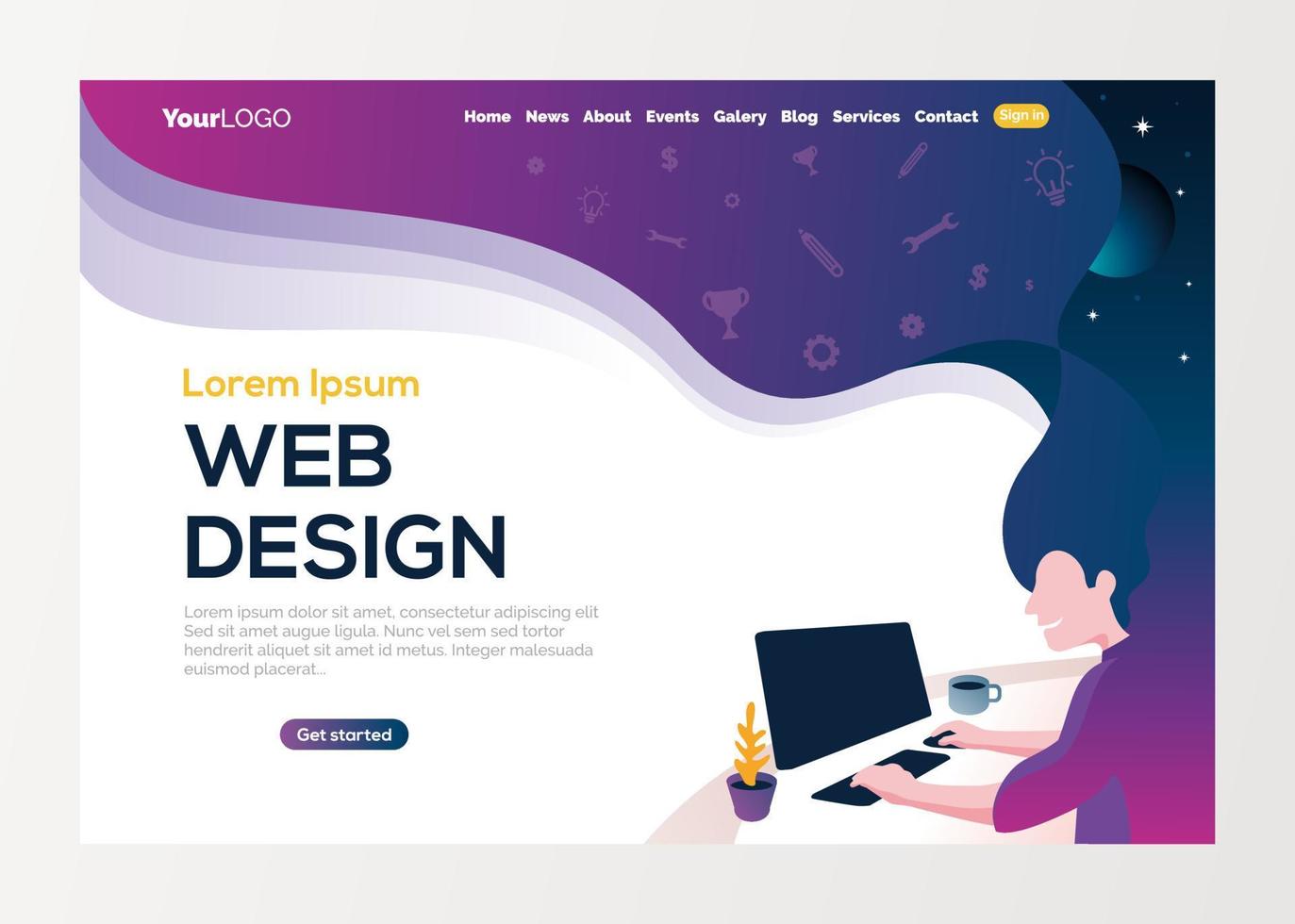
Crafting Your Digital Home: The Art and Science of Website Design
In today's hyper-connected world, your website is often the first, and sometimes only, impression potential customers or clients have of your brand. It's more than just a digital brochure; it's your virtual storefront, your customer service hub, and your most powerful marketing tool. That's why effective website design is no longer a luxury but a fundamental necessity for any business or individual looking to thrive online.
But what exactly constitutes "good" website design? It's a complex interplay of aesthetics, functionality, user experience, and strategic thinking. Let's delve into the core elements that make a website not just look good, but perform exceptionally.
1. User Experience (UX) is King
At the heart of every successful website is a profound understanding of its users. User Experience (UX) design is about making your website intuitive, easy to navigate, and pleasurable to interact with. This involves:
- Intuitive Navigation: Clear menus, logical pathways, and a well-structured sitemap ensure visitors can quickly find what they're looking for.
- Accessibility: Designing for everyone means considering users with disabilities. This includes proper alt text for images, keyboard navigation, and sufficient color contrast.
- Speed and Performance: A slow-loading website is a sure way to lose visitors. Optimizing images, leveraging caching, and efficient code are crucial for fast load times.
- Clear Call-to-Actions (CTAs): Guide your users with compelling buttons and links that tell them what to do next, whether it's "Buy Now," "Sign Up," or "Contact Us."
2. Visually Appealing and On-Brand Aesthetics (UI)
While UX focuses on how a site works, User Interface (UI) design is all about how it looks and feels. A visually engaging website captivates visitors and reinforces your brand identity.
- Consistent Branding: Your website should seamlessly extend your brand's personality, utilizing consistent colors, fonts, imagery, and tone of voice.
- High-Quality Visuals: Professional photography, engaging videos, and relevant graphics make your site more appealing and help convey your message effectively.
- Whitespace and Readability: Don't clutter your pages. Ample whitespace improves readability and allows key elements to stand out. Choose fonts that are easy to read on various devices.
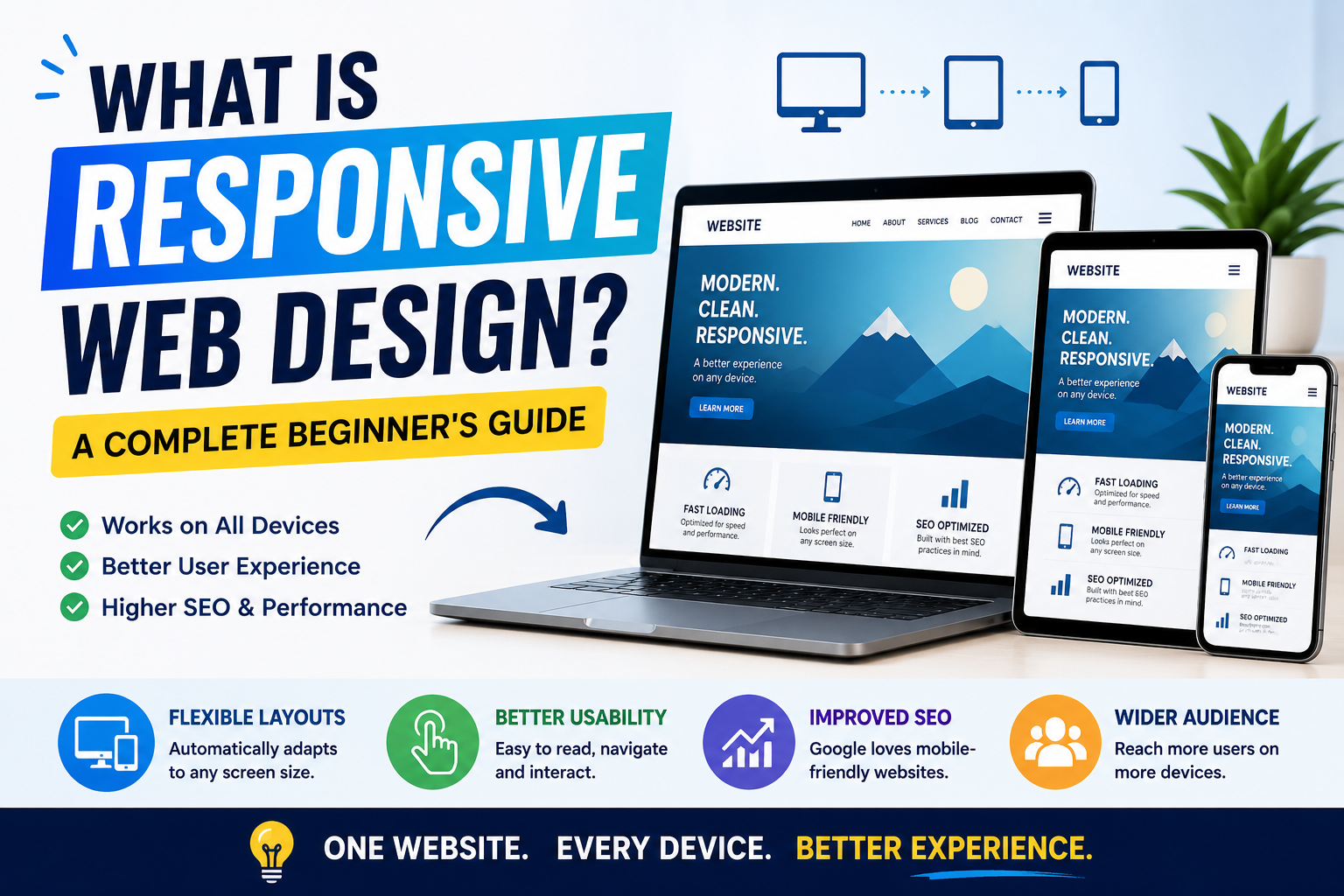
- Mobile-First (or Responsive) Design: With the majority of internet traffic now coming from mobile devices, your website must adapt gracefully to different screen sizes. Responsive design ensures an optimal viewing experience across desktops, tablets, and smartphones.
3. Search Engine Optimization (SEO) Integration
A beautiful website is only effective if people can find it. Integrating basic SEO principles into your design process from the ground up is vital.
- Clean Code: Well-structured, clean HTML and CSS make it easier for search engine crawlers to understand and index your site.
- Keyword Optimization: Strategically place relevant keywords in your content, headings, and meta descriptions.
- Mobile-Friendliness: Google prioritizes mobile-friendly websites in its search rankings.
- Fast Loading Times: As mentioned earlier, site speed is a significant ranking factor.
- Schema Markup: Implementing structured data helps search engines better understand your content, potentially leading to rich snippets in search results.
4. Content is Still King (and Design is its Queen)
Even the most stunning design won't convert visitors if your content is lacking. Your website's content should be:
- Relevant and Valuable: Provide information that your target audience genuinely needs and cares about.
- Concise and Engaging: Break up long blocks of text with headings, bullet points, and multimedia to maintain visitor interest.
- Action-Oriented: What do you want your visitors to do? Guide them towards those actions with clear and persuasive copy.
5. Security and Maintenance
A well-designed website also needs to be secure and well-maintained.
- SSL Certificates (HTTPS): Essential for protecting user data and building trust. Google also favors secure sites.
- Regular Backups: Prevent data loss by backing up your website regularly.
- Software Updates: Keep your CMS (e.g., WordPress), themes, and plugins updated to patch security vulnerabilities and ensure compatibility.
Conclusion: Your Digital Success Starts Here
Website design is a dynamic and evolving field, blending creativity with technical prowess. A truly effective website is a strategic asset that works tirelessly for your brand, engaging visitors, conveying your message, and driving conversions. By focusing on user experience, visual appeal, SEO, quality content, and ongoing maintenance, you can build a digital home that not only looks exceptional but also delivers tangible results in today's competitive online landscape. Invest in good website design, and watch your digital presence flourish.
.jpeg)
.jpeg)