

How Full-Cycle Software Development Helps Businesses Scale Faster
In today’s competitive digital landscape, businesses need more than just software—they need complete, end-to-end solutions that evolve with their growth. Managing different stages of software development separately can lead to delays, miscommunication, and inefficiencies. This is where full-cycle software development becomes a game-changer.
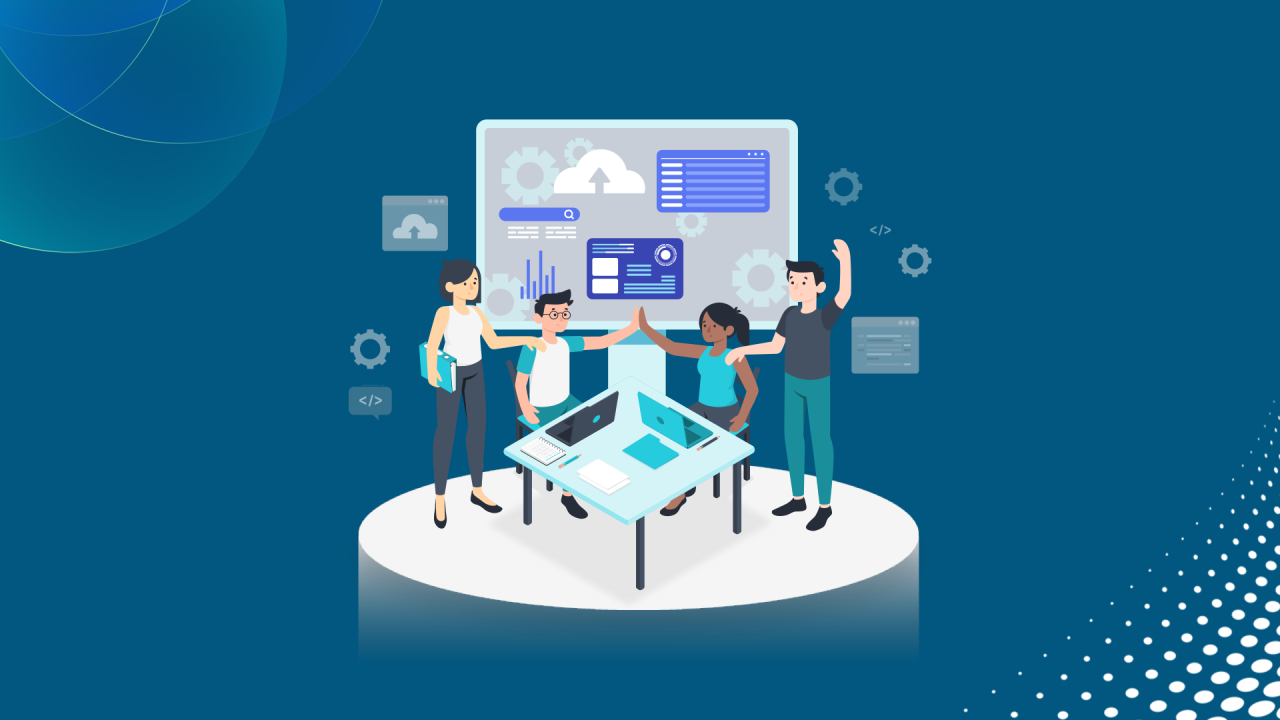
Full-cycle software development ensures that every stage of the software lifecycle—from idea to deployment and maintenance—is handled in a seamless and integrated way. It helps businesses scale faster by improving efficiency, reducing risks, and ensuring consistent quality.
What is Full-Cycle Software Development?
Full-cycle software development refers to the complete process of building software, covering all stages including planning, design, development, testing, deployment, and maintenance.
Instead of working with multiple vendors or teams, businesses rely on a single team that manages the entire lifecycle. This ensures better coordination, faster delivery, and a more streamlined development process.
Key Stages of Full-Cycle Software Development
1. Requirement Analysis
Understanding business goals, target audience, and project requirements to create a clear roadmap.
2. Design & Prototyping
Creating UI/UX designs and prototypes to visualize the final product before development begins.
3. Development
Writing clean, efficient code to build the software according to the defined requirements.
4. Testing & Quality Assurance
Ensuring the software is bug-free, secure, and performs well across all platforms.
5. Deployment
Launching the software in a live environment with proper configuration and support.
6. Maintenance & Updates
Providing ongoing support, updates, and improvements to keep the software relevant and efficient.
Key Features of Full-Cycle Development
1. End-to-End Management
All stages are handled under one roof, ensuring smooth coordination and accountability.
2. Consistent Quality
A single team maintains quality standards throughout the project lifecycle.
3. Faster Time-to-Market
Integrated workflows reduce delays and speed up development.
4. Better Communication
Eliminates the need to coordinate between multiple vendors or teams.
5. Scalability
Solutions are built with future growth in mind, making scaling easier.
Benefits of Full-Cycle Software Development
Faster Scaling
Businesses can quickly adapt and expand their software as they grow.
Reduced Costs
Avoids extra costs caused by miscommunication, rework, or multiple vendors.
Improved Efficiency
Streamlined processes lead to faster development and better resource utilization.
Stronger Security
Continuous monitoring and testing improve overall software security.
Long-Term Support
Ongoing maintenance ensures the software remains updated and competitive.
Who Should Use Full-Cycle Software Development?
Full-cycle development is ideal for:
-
Startups looking for rapid growth
-
Small and medium businesses
-
Enterprises with complex systems
-
Companies launching new digital products
-
Businesses needing continuous updates and support
It is especially beneficial for organizations that want a reliable, long-term technology partner.
Use Cases of Full-Cycle Software Development
-
SaaS product development
-
Mobile and web applications
-
Enterprise software solutions
-
E-commerce platforms
-
Custom CRM and ERP systems
Why Businesses Are Choosing Full-Cycle Development
Businesses today prioritize speed, efficiency, and scalability. Full-cycle development provides all three by ensuring a seamless development journey from start to finish.
It reduces the hassle of managing multiple teams and ensures that the final product aligns perfectly with business goals.
Conclusion
Full-cycle software development plays a crucial role in helping businesses scale faster by offering a streamlined, efficient, and integrated approach to building software.
With end-to-end management, consistent quality, and long-term support, it enables businesses to focus on growth while leaving the technical complexities to experts.
Whether you are building a new product or upgrading an existing system, full-cycle development is a smart investment for sustainable business growth.
-Photoroom.png)